
STRIKE FASTER.
KICK HARDER.
FINISH

SCORE EXPLOSIVELY.

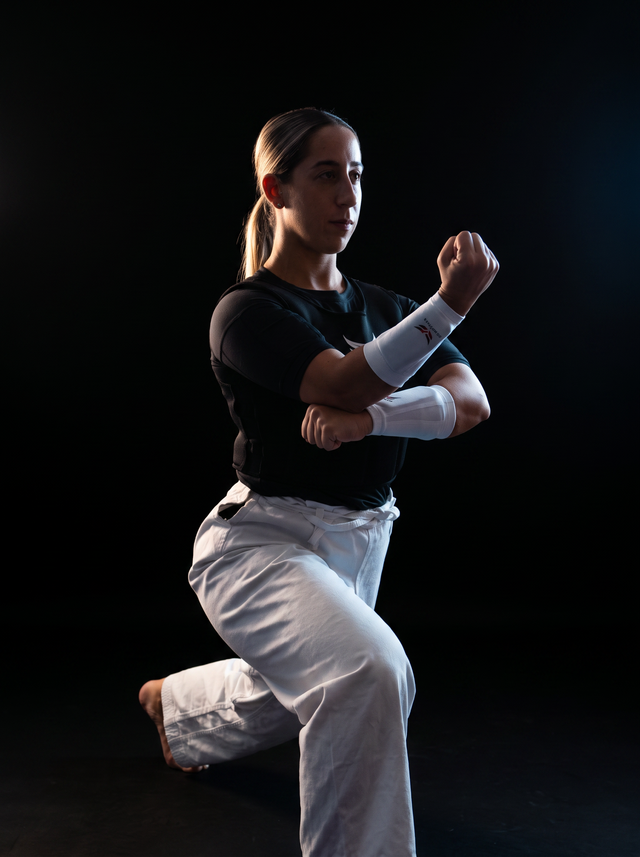
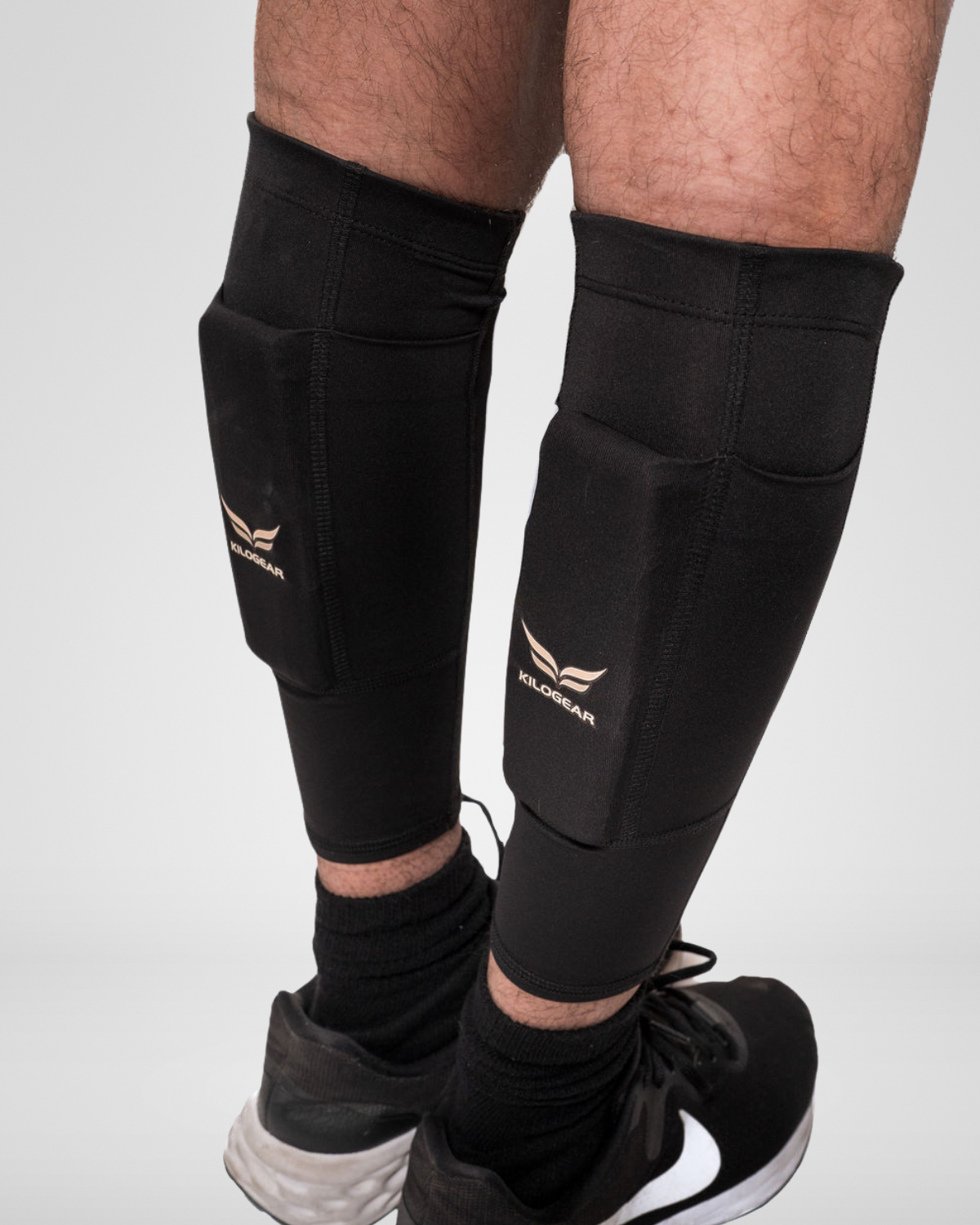
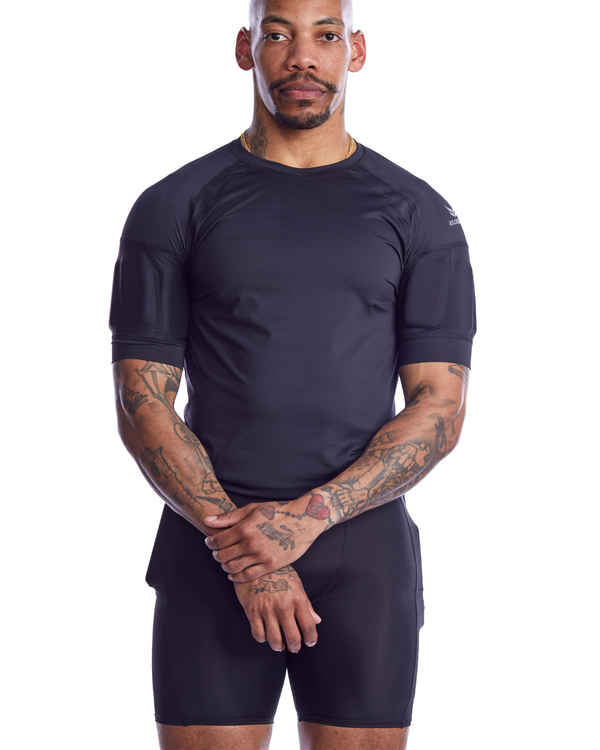
KILOGEAR builds the hand speed, kicking power, and explosive footwork that competitive karate demands. It trains your body through every technique without changing your mechanics.

  • Micro Weight Technology
  • Train In Your Natural Movement
  • Builds Speed, Power & Explosiveness
  • Trusted By Athletes Worldwide

What is KILOGEAR ?

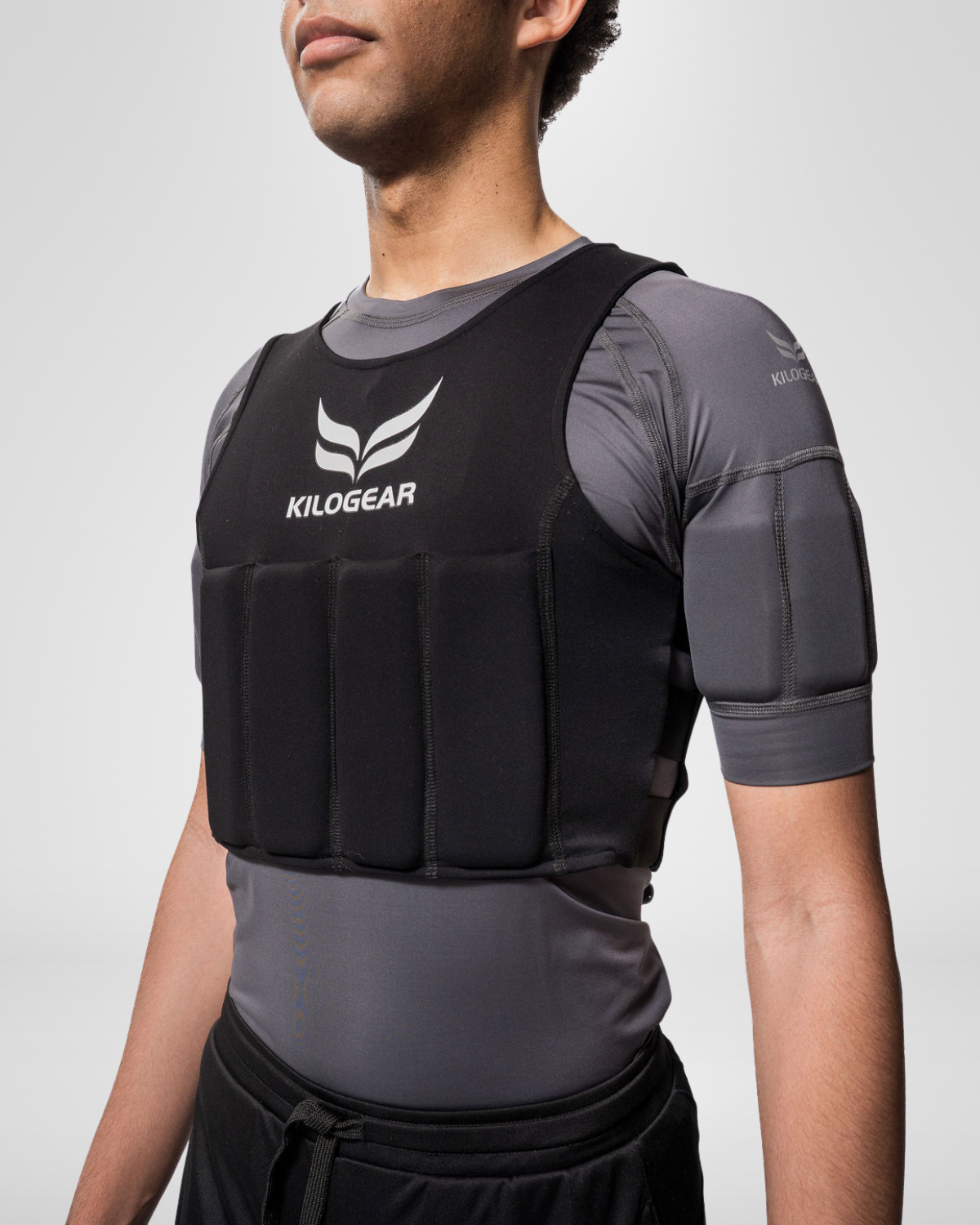
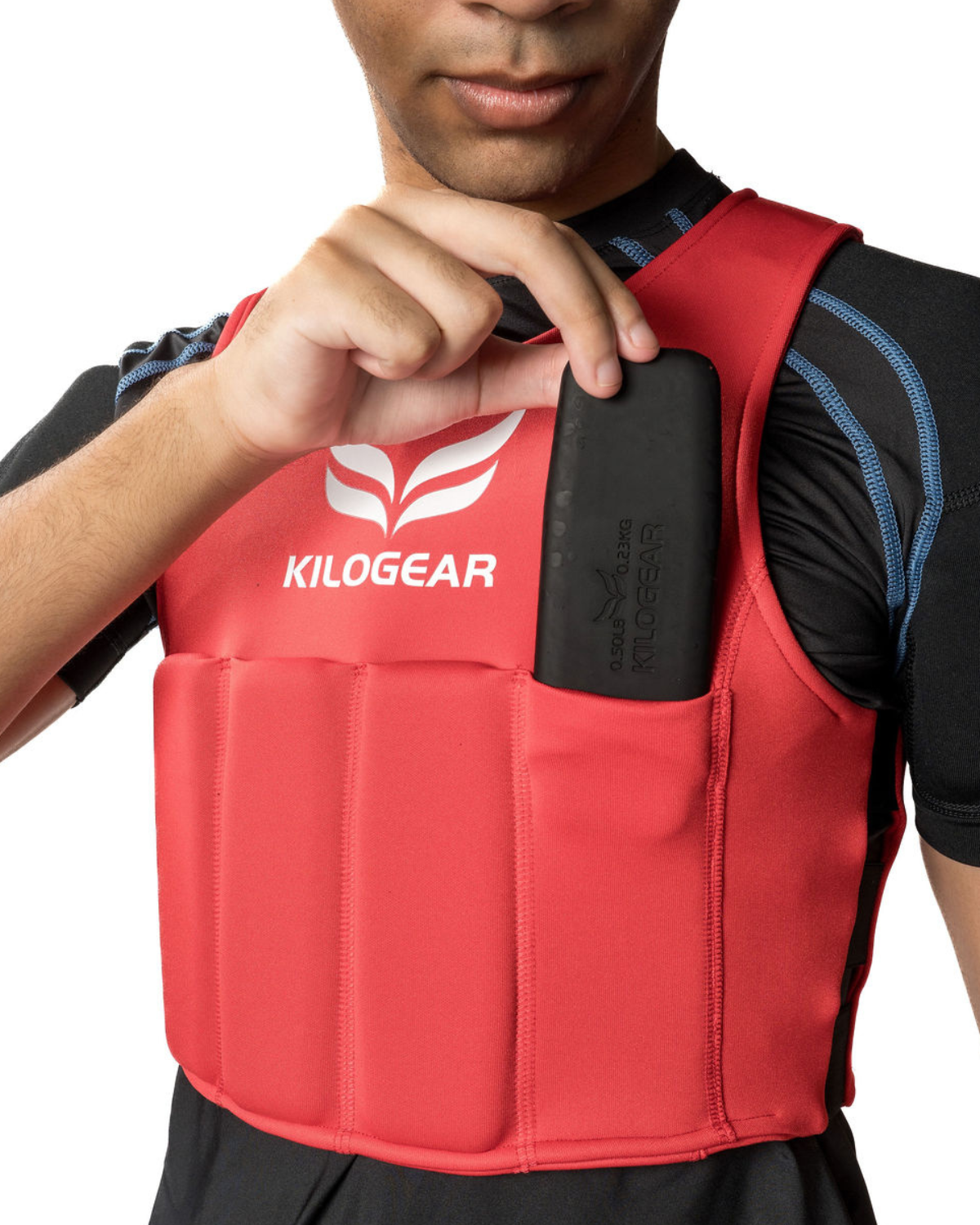
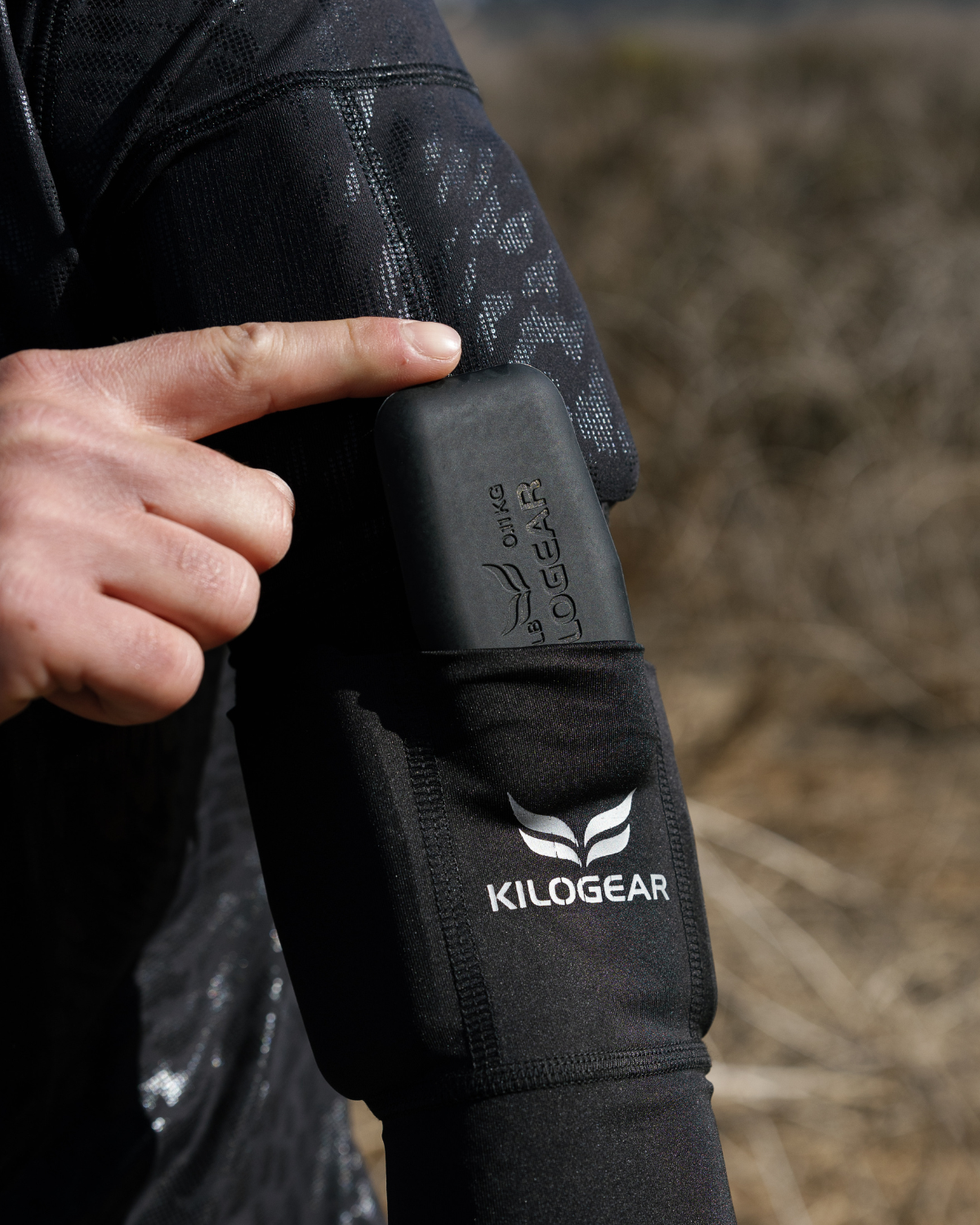
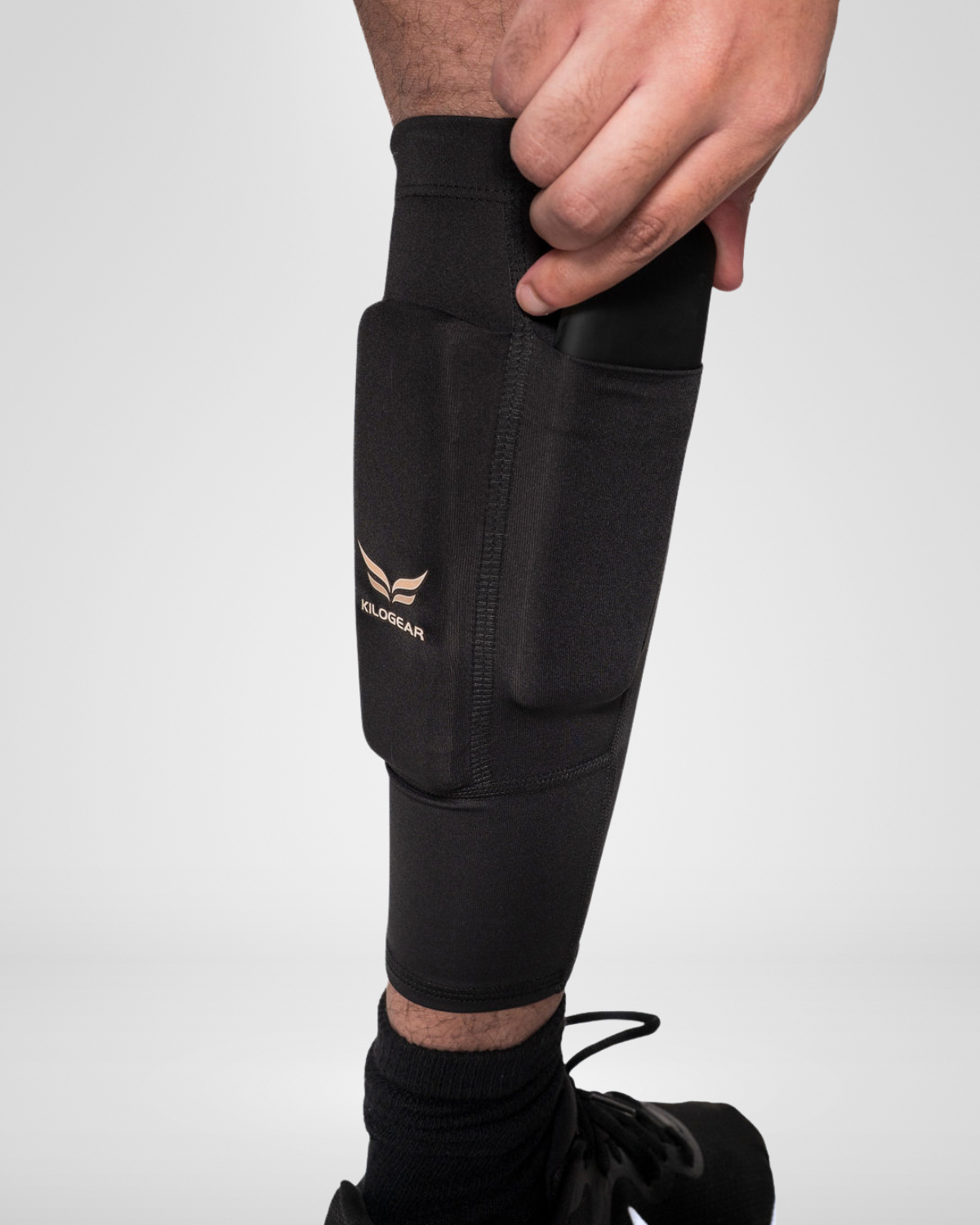
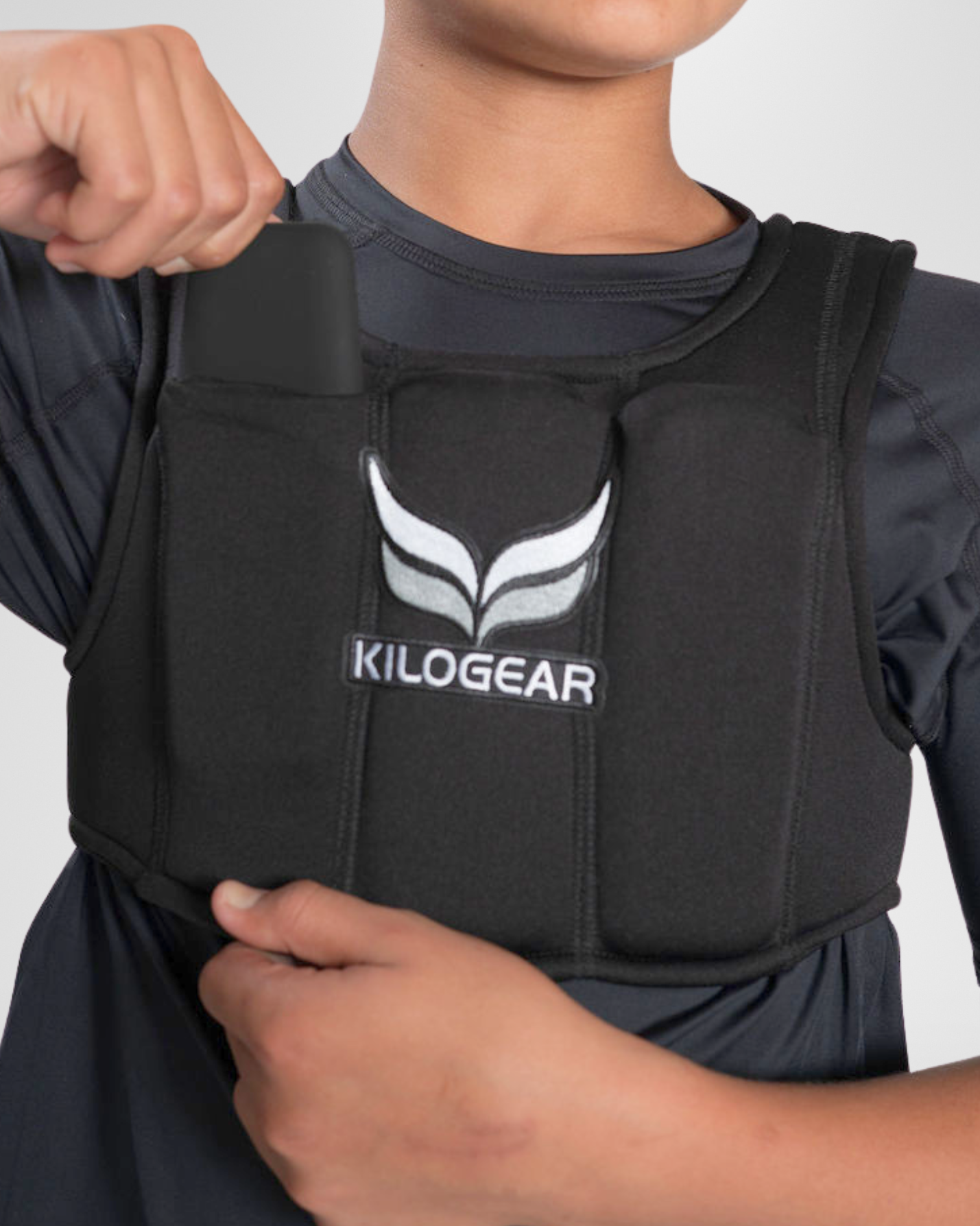
KILOGEAR is a wearable micro-weight training system designed to help athletes build real-world performance.

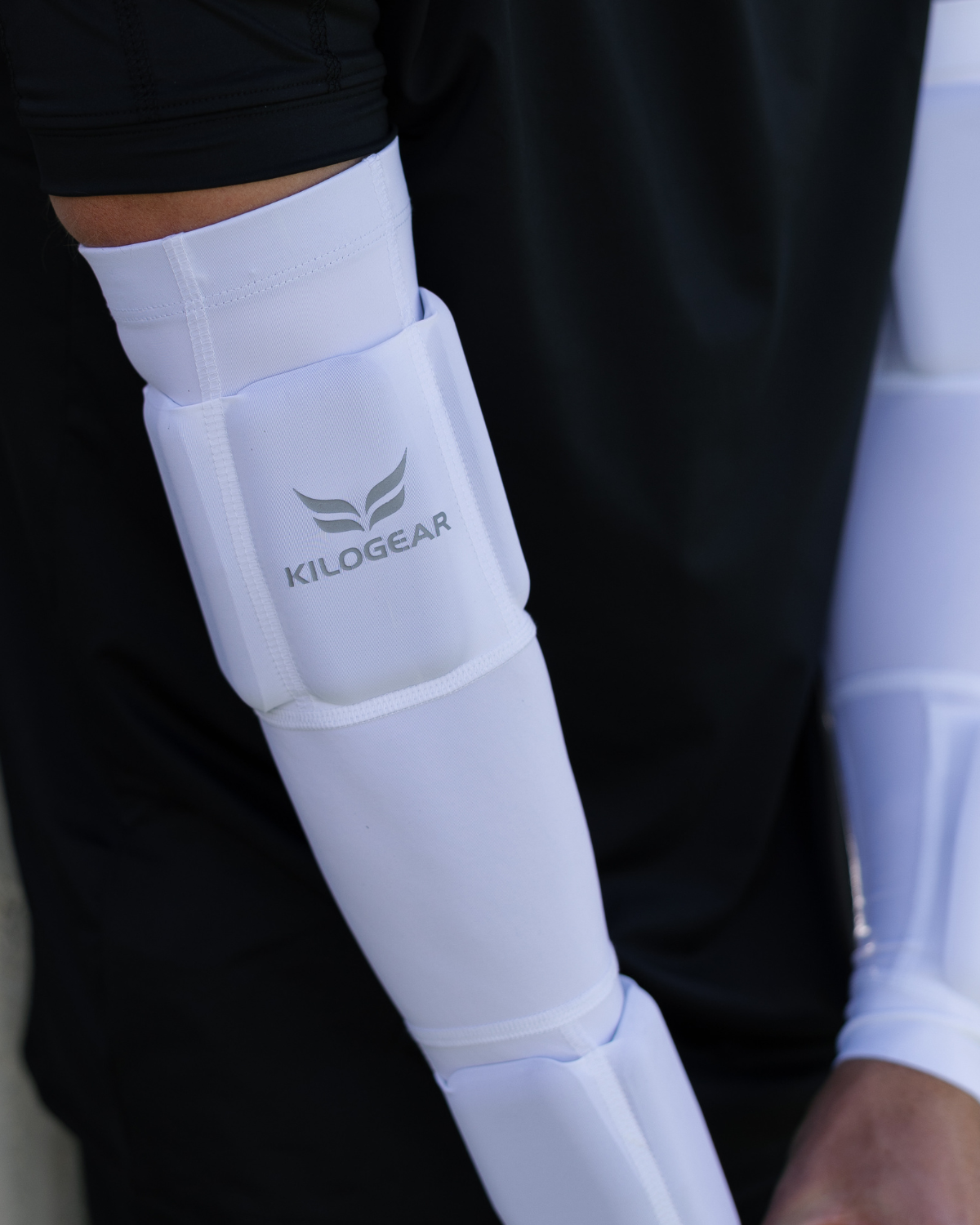
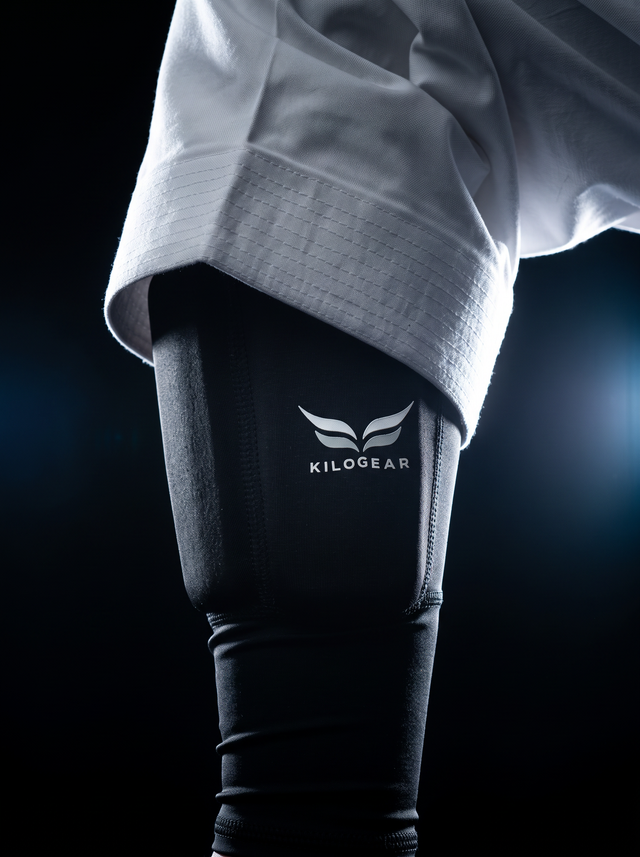
Unlike traditional weighted vests, KILOGEAR distributes small weights throughout the body, allowing athletes to train in their natural movement.

The result? More power, faster acceleration, stronger sport specific movements, and better performance when it matters most.
Why Karate Athletes Use KILOGEAR

Strike Speed

Strike Speed

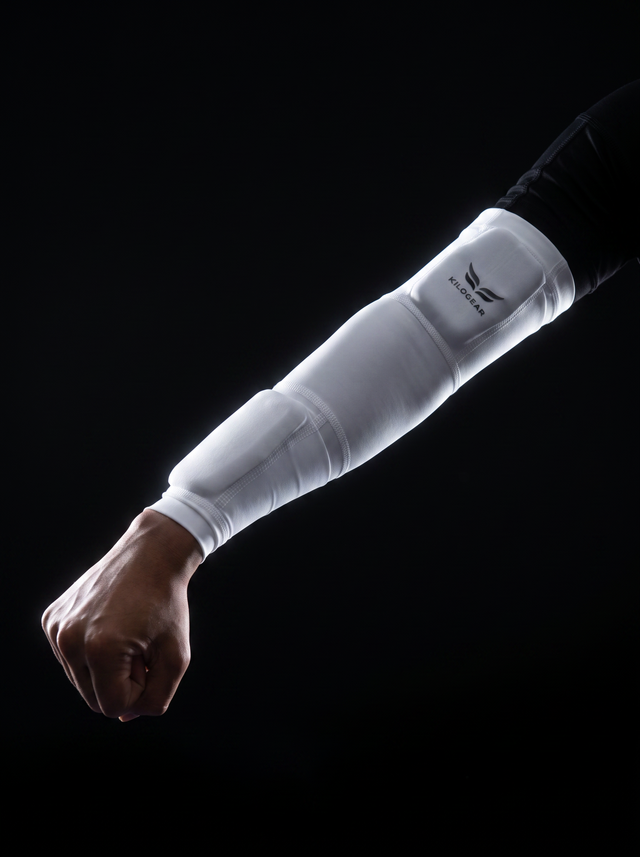
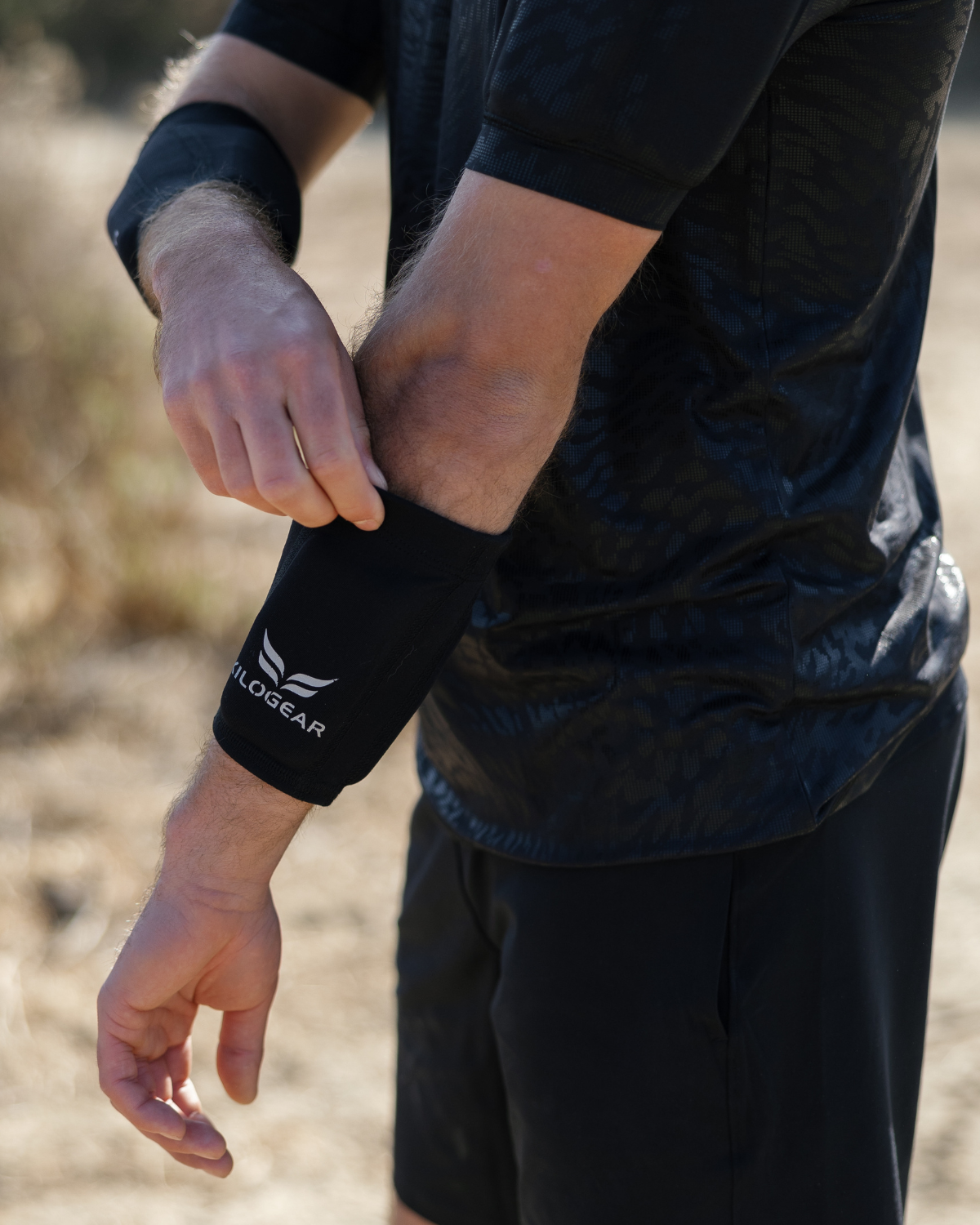
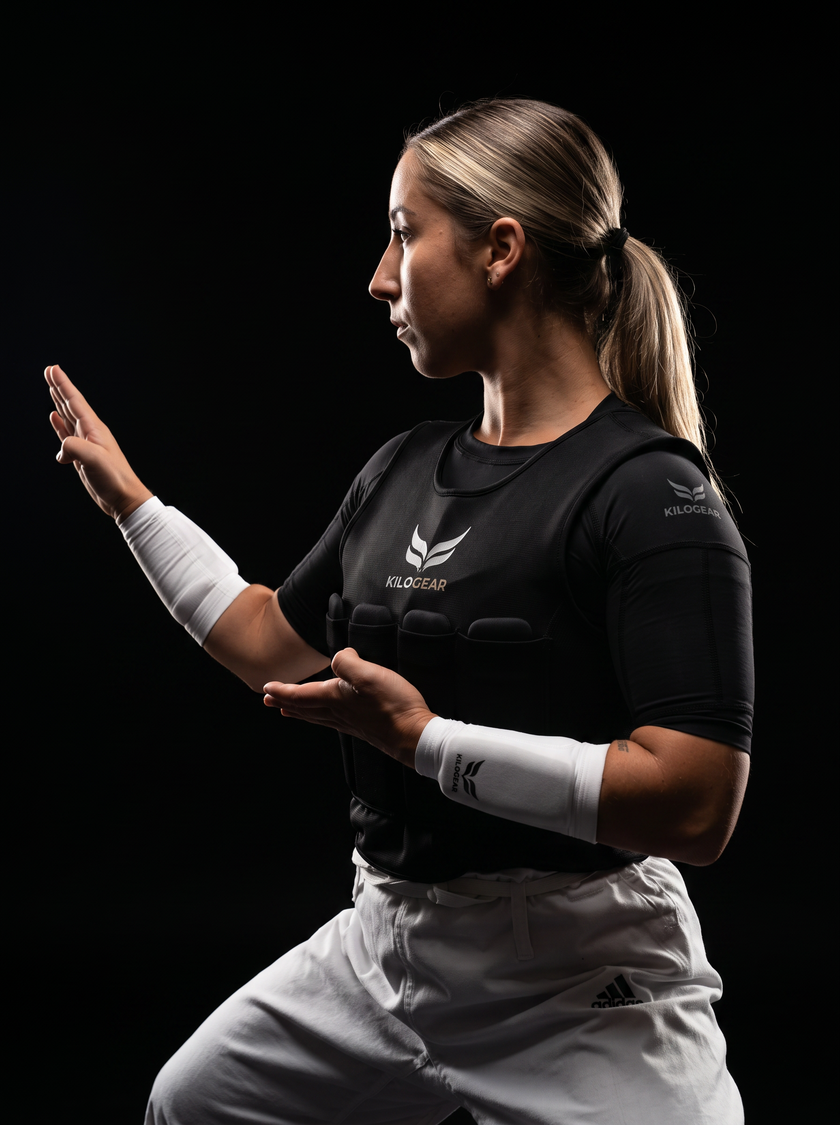
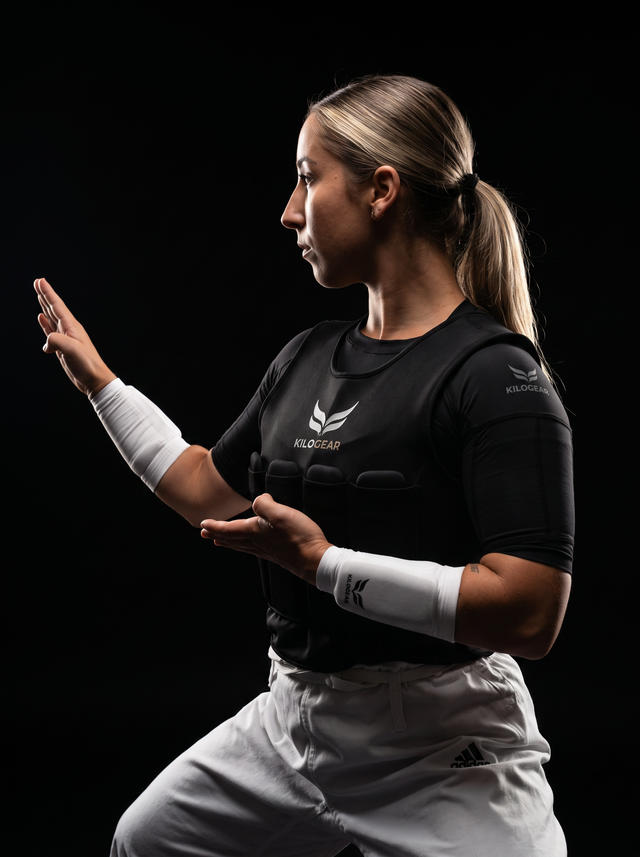
Loading the arms through sleeves and bands conditions the punching shoulders and forearms on every rep. Your gyaku-zuki and kizami-zuki fire faster and reset quicker, with no load on the wrist or elbow. Icon: fist/motion lines. Image: reverse punch.

Kicking Power

Kicking Power

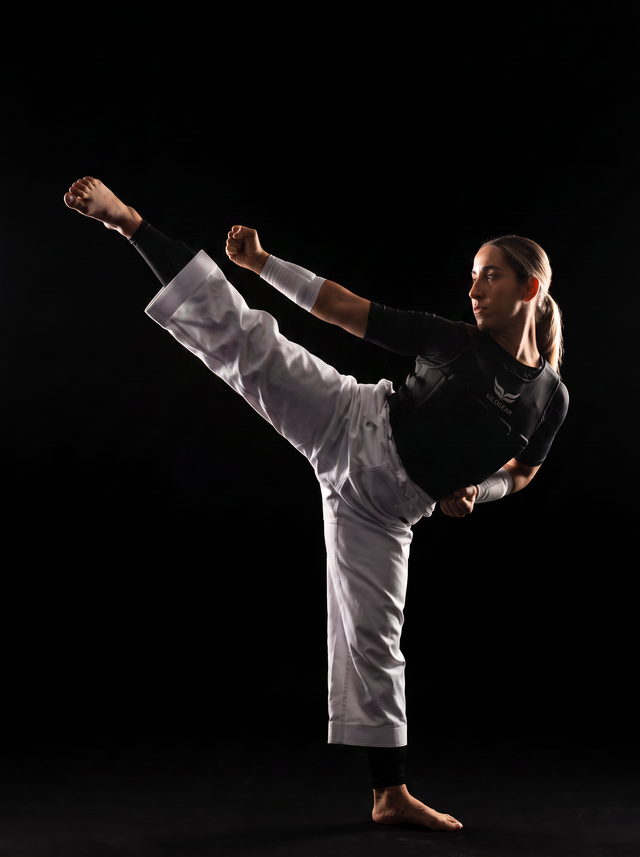
Quad and calf loading drives the snap behind mae-geri, mawashi-geri, and ura-mawashi. The chambering leg works harder through every kick, building the hip and plantar-flexion power that scores. Icon: kicking leg. Image: roundhouse kick.

Distance Closing

Distance Closing

The blitz into scoring range is a triple-extension event. Loading the calves and hamstrings forces the whole chain to drive harder, turning your entry step into a gap-closer opponents cannot read in time. Icon: lightning bolt. Image: athlete driving into range.

Rotational Power

Rotational Power

Every strike is powered by hip rotation. Arm loading makes the core fight harder to control that rotation, so torque climbs and your reverse punch lands with more force transmitted from the ground up. Icon: rotation arrows. Image: hip turn at kime.

Footwork

Footwork

Lateral leg and calf loading sharpen tai sabaki, in-and-out movement, and angle changes. Your stance work stays light while the loaded stabilizers build the quick-cut control that wins exchanges. Icon: directional arrows. Image: footwork / lateral shift.

Performance Benefits

  • Increase sport-specific power
  • Improve acceleration and speed
  • Build explosive rotational strength
  • Train without altering movement mechanics
  • Used by elite athletes worldwide

Frequently Asked Questions

Will KILOGEAR change my technique?

No. That's the entire point of the design. Traditional weighted vests and ankle weights pull your body out of position and force you to compensate, which teaches bad habits. KILOGEAR distributes small weights so you train your gyaku-zuki, mawashi-geri, and tai sabaki in your natural form, then move even faster when the weight comes off.

Do I wear it during kumite or competition?

No. KILOGEAR is a training tool. You load your drilling, bag work, kata reps, and conditioning in it, then compete free and feel the speed. Think of it the way a sprinter uses a resistance sled in practice, not on race day.

Can younger karateka train in it?

Yes, when used as directed. Because KILOGEAR loads muscle and not joints, it's built for developing athletes to train safely. Start young students on KILOMICRO, keep the focus on clean technique, and progress under a coach's guidance.

What weight should I start with?

Start half loaded to keep your mechanics clean and your speed intact. Move up to full load as your body adapts and you can hold your form under the added load. More weight is not the goal. Repeating your technique perfectly under resistance is.

Does it work for both kata and kumite?

Yes. Kumite athletes build the hand speed, blitz, and footwork that score points. Kata athletes build the strength to hold sharp, powerful technique through an entire form without fading. Both train the same way: load the reps, then perform free.

Will it change my stroke? 

That's the right question to ask, and it's the first thing I checked. The load is distributed across the muscle groups rather than concentrated at one point, which is what lets it add resistance without pulling your body out of position. The rule still applies though: if you see stroke quality drop, take weight off. No tool is immune to being overloaded.