
SWIM FASTER.
PULL HARDER.
FINISH

EXPLOSIVELY.

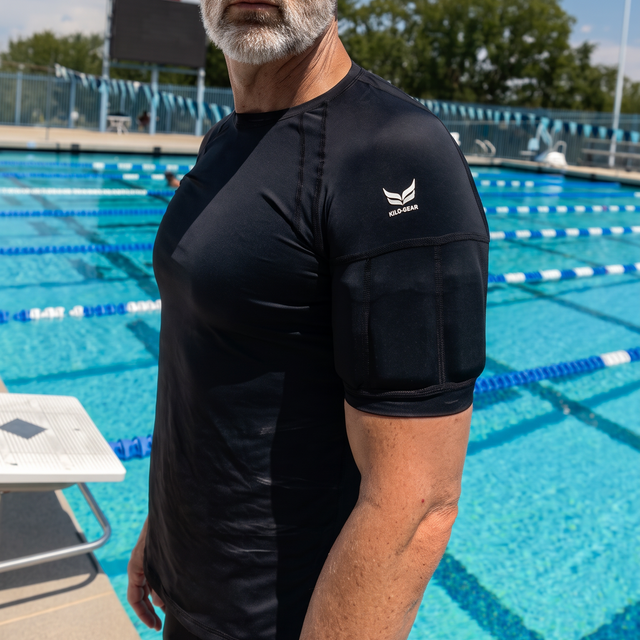
KILOGEAR builds the explosive starts, pulling power, and kicking drive that competitive swimming demands. It trains your body through every dryland movement without changing your stroke.

  • Micro Weight Technology
  • Train In Your Natural Movement
  • Builds Speed, Power & Explosiveness
  • Trusted By Athletes Worldwide

What is KILOGEAR ?

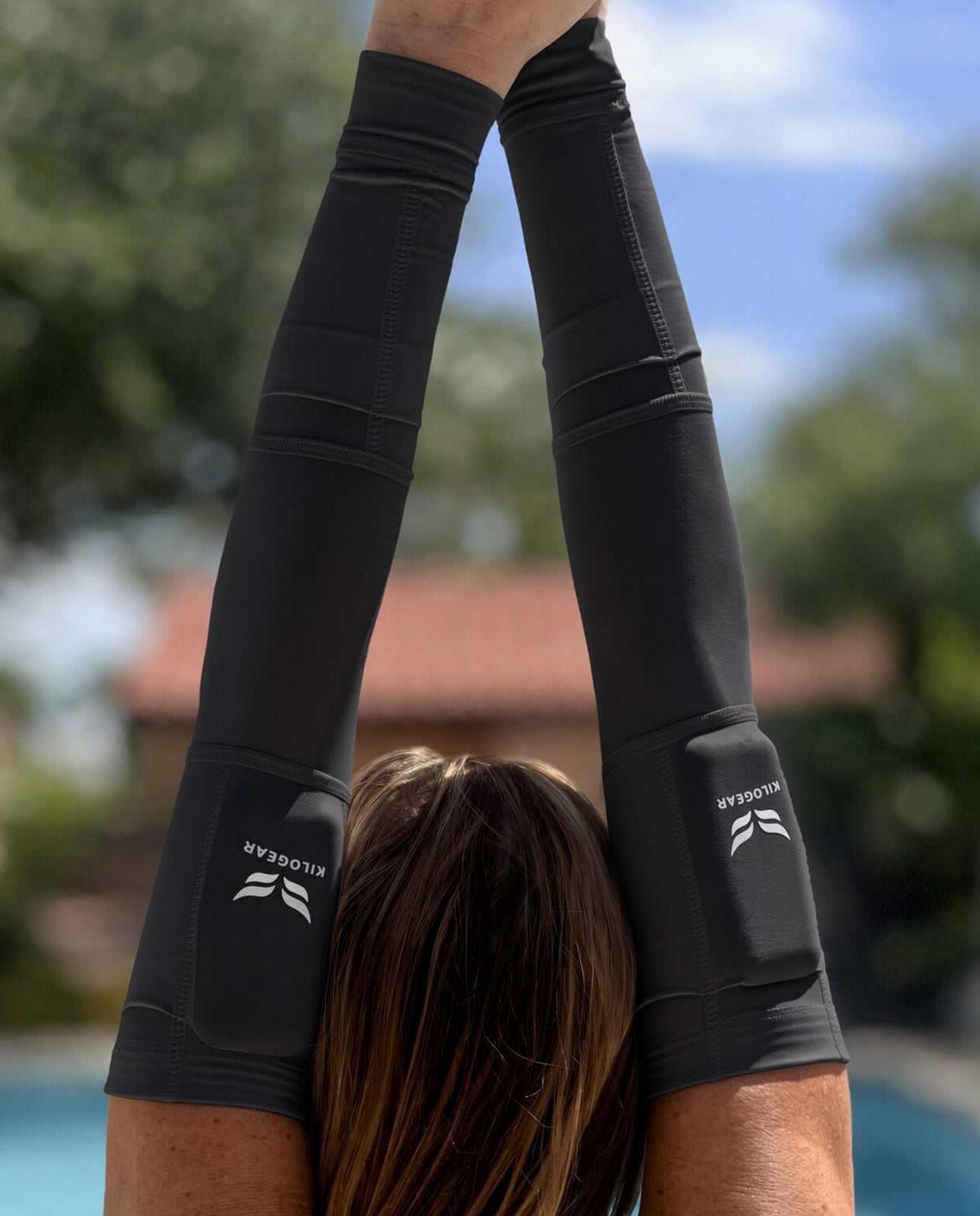
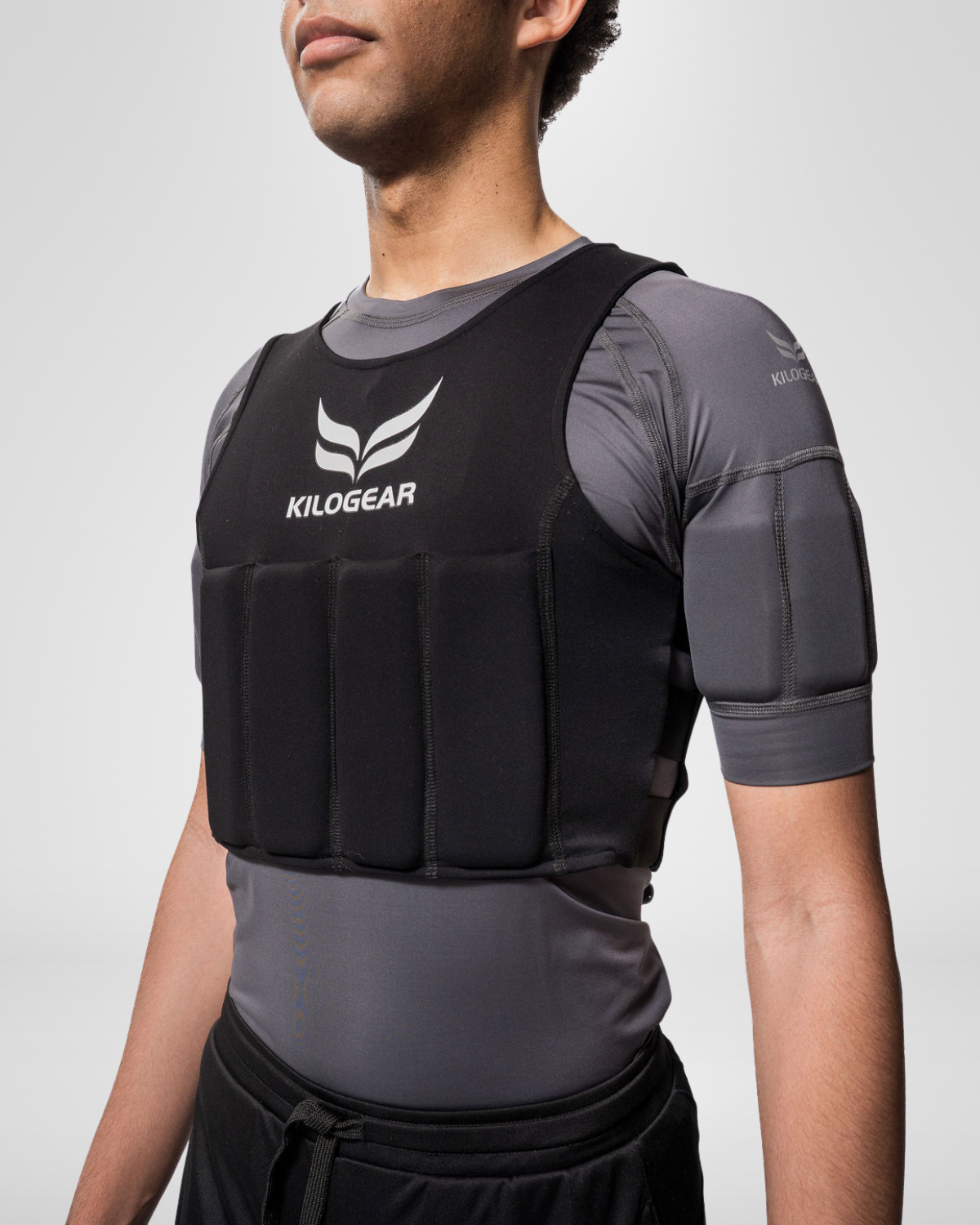
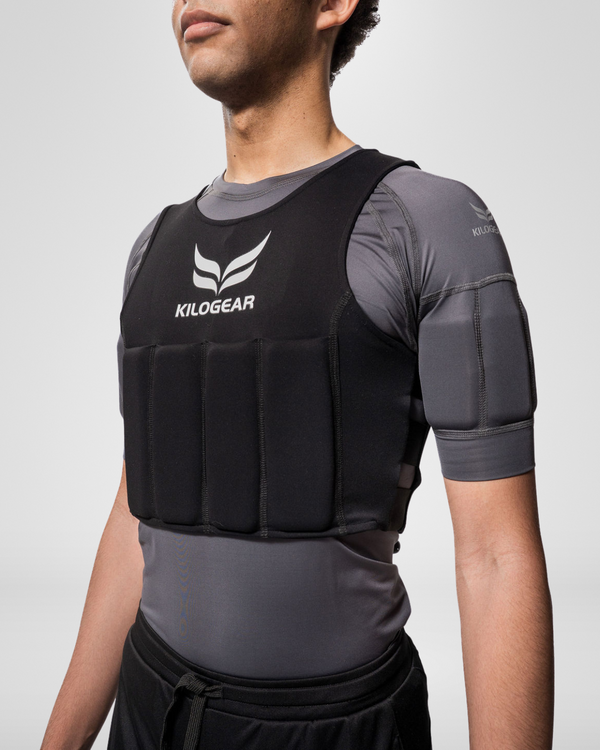
KILOGEAR is a wearable micro-weight training system designed to help athletes build real-world performance.

Unlike traditional weighted vests, KILOGEAR distributes small weights throughout the body, allowing athletes to train in their natural movement.

The result? More power, faster acceleration, stronger throwing, and better performance when it matters most.
Micro Weight Technology

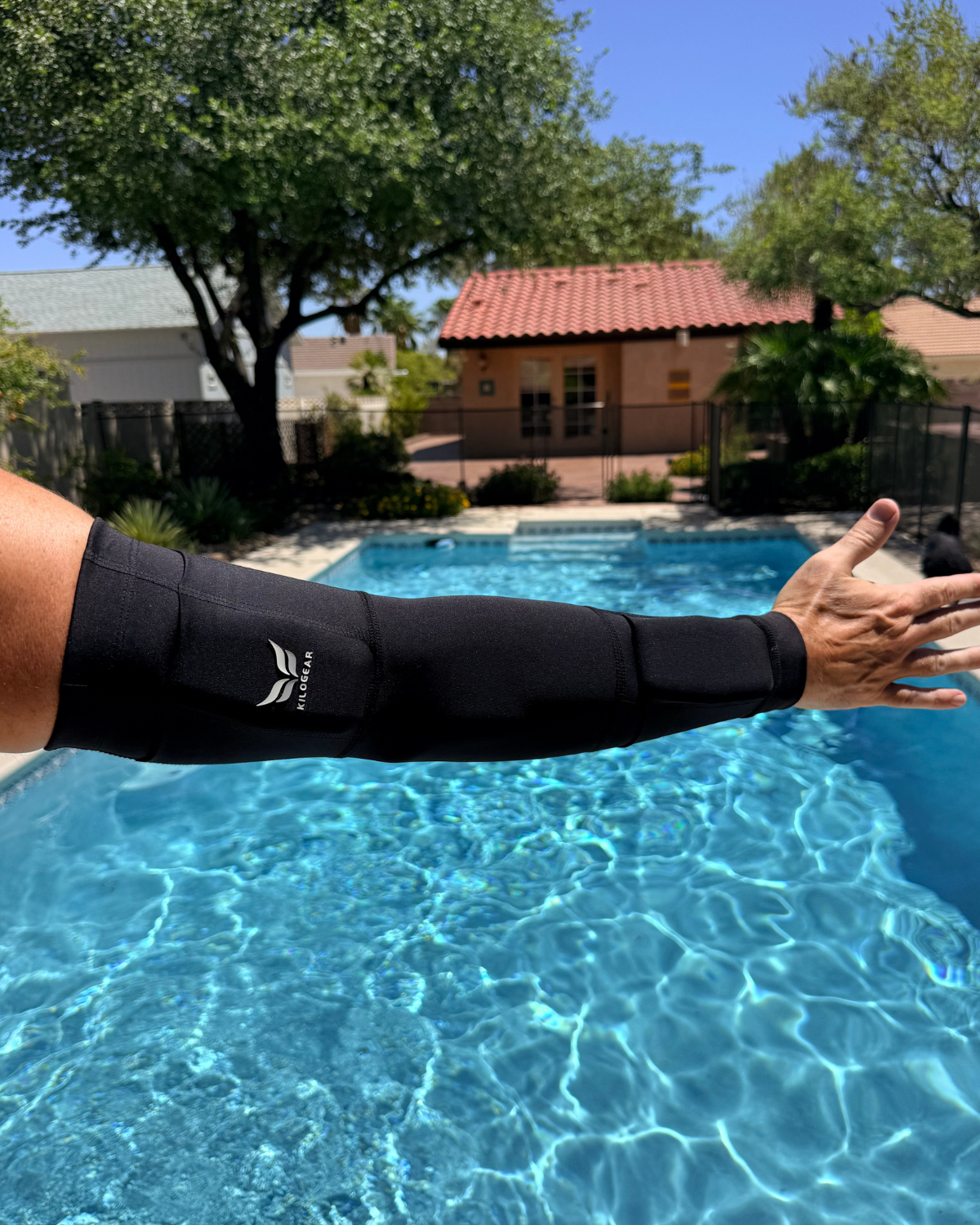
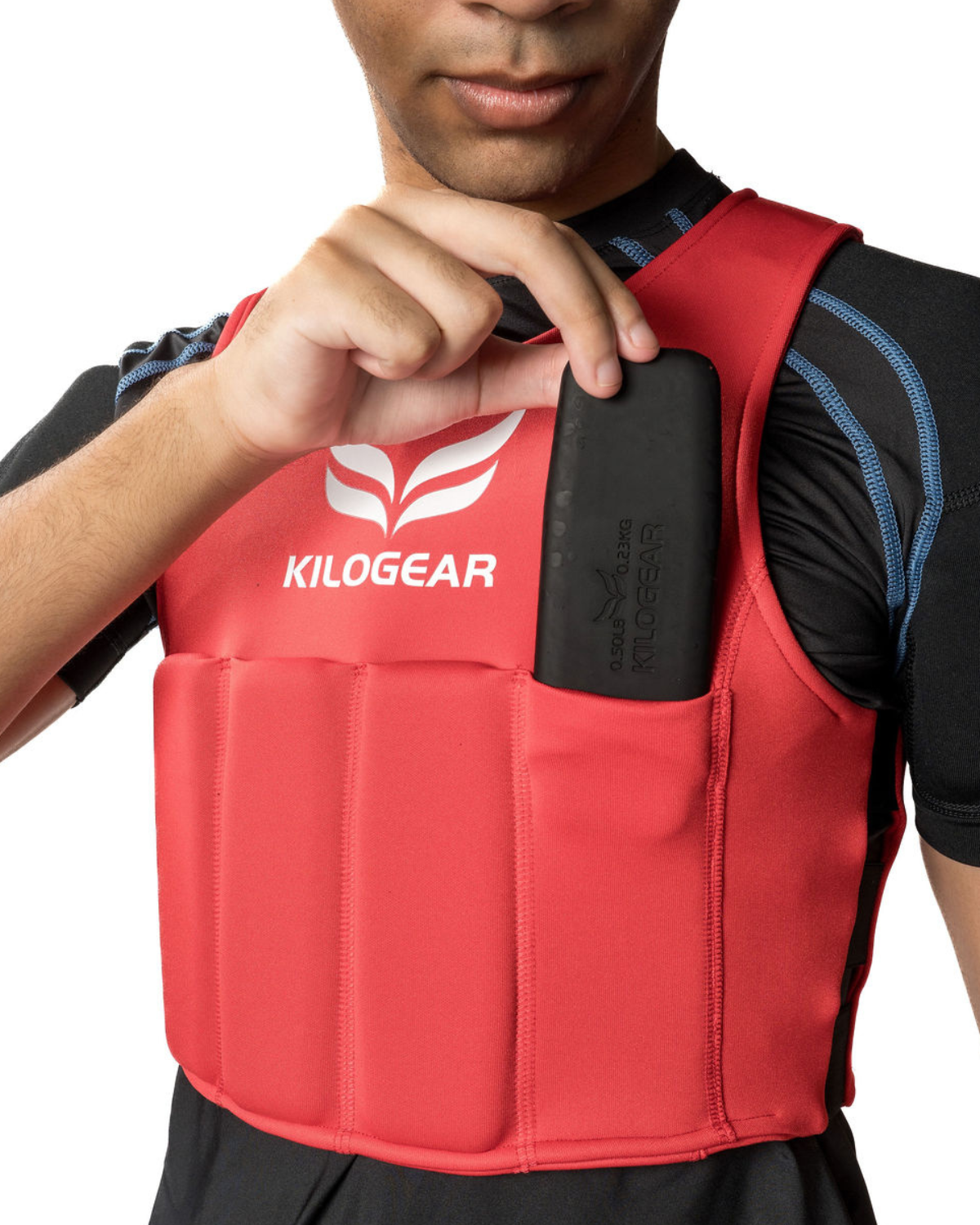
Weights are strategically placed for natural movement and maximum impact.

WHY SWIMMING ATHLETES USE KILOGEAR

EXPLOSIVE STARTS

EXPLOSIVE STARTS

Loading the legs and hips drives the triple extension off the blocks. Your dive fires harder and your entry carries more speed, turning the first meters into an advantage before your first stroke.

CATCH POWER

CATCH POWER

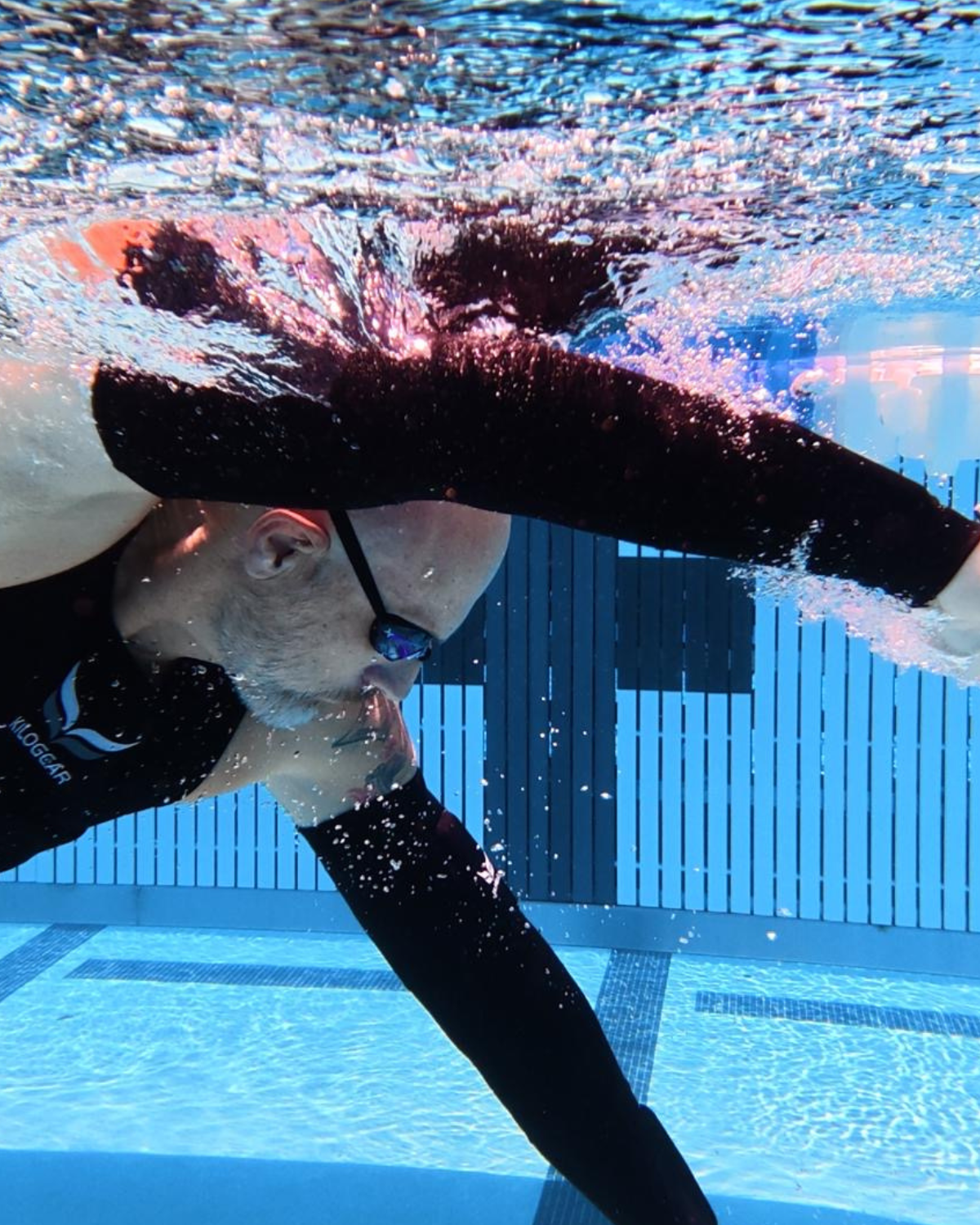
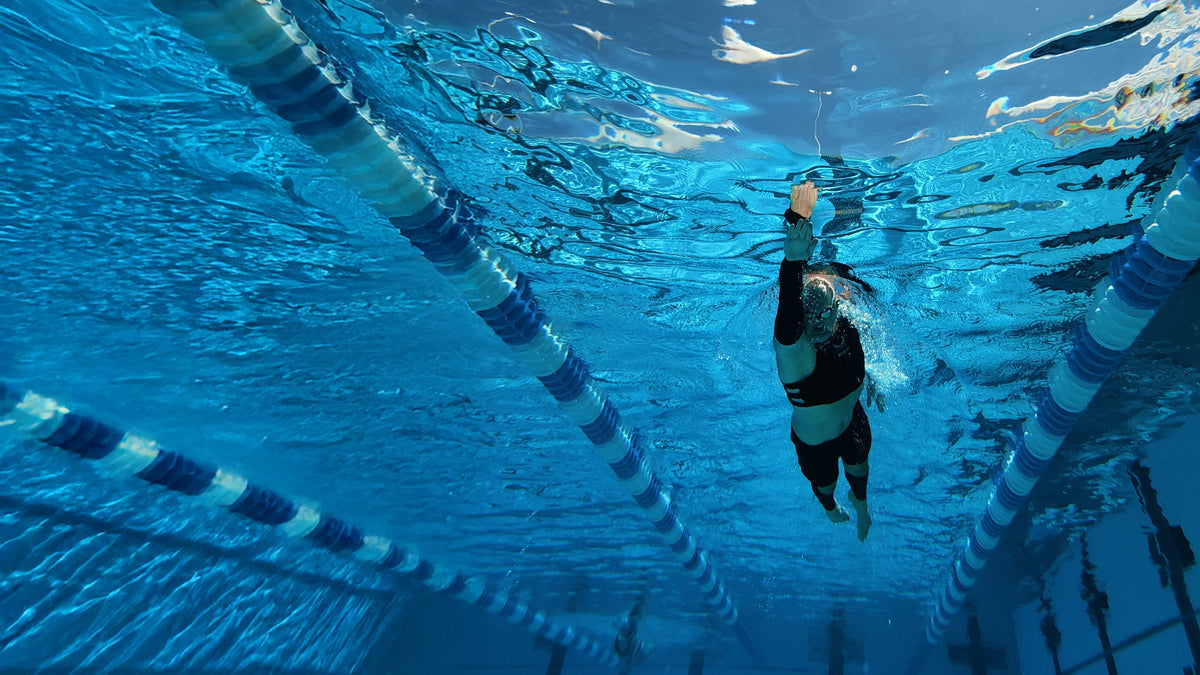
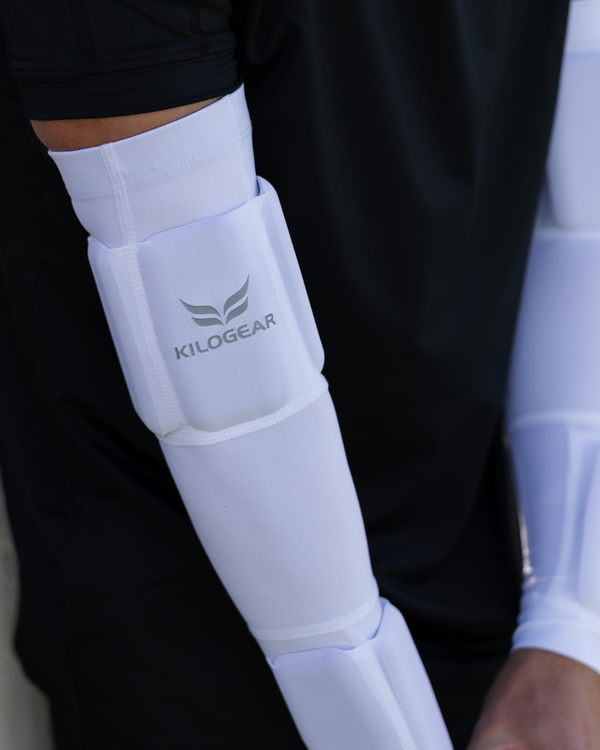
Loading the arms, lats, and shoulders builds the strength behind every catch. Your hands hold more water and your pull drives a tighter body line, so each stroke moves further down the lane.

KICKING DRIVE

KICKING DRIVE

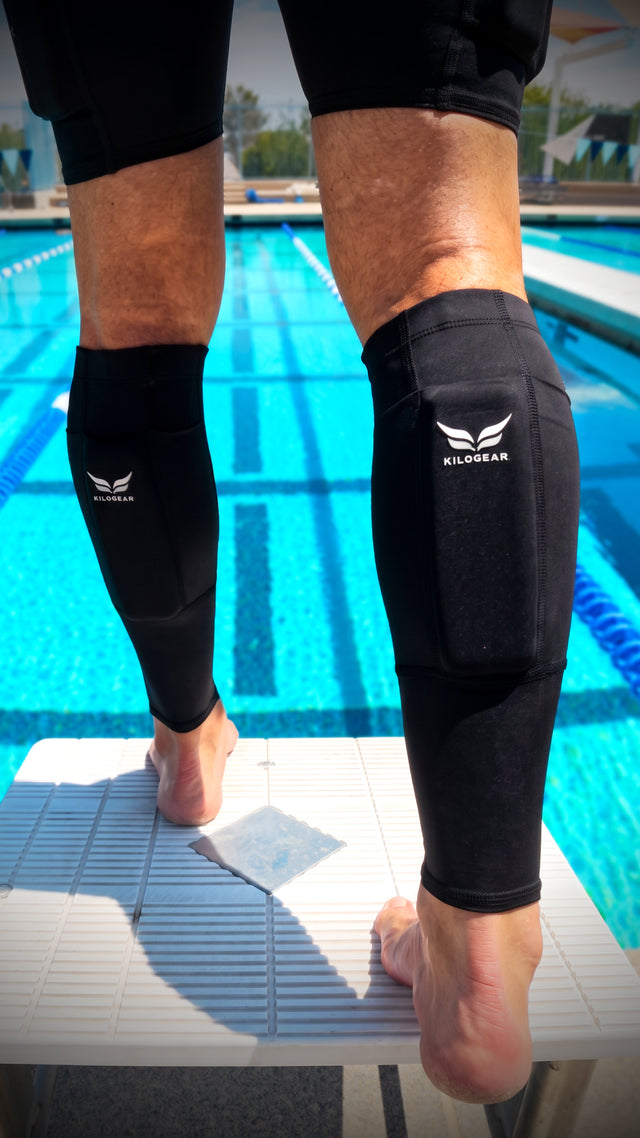
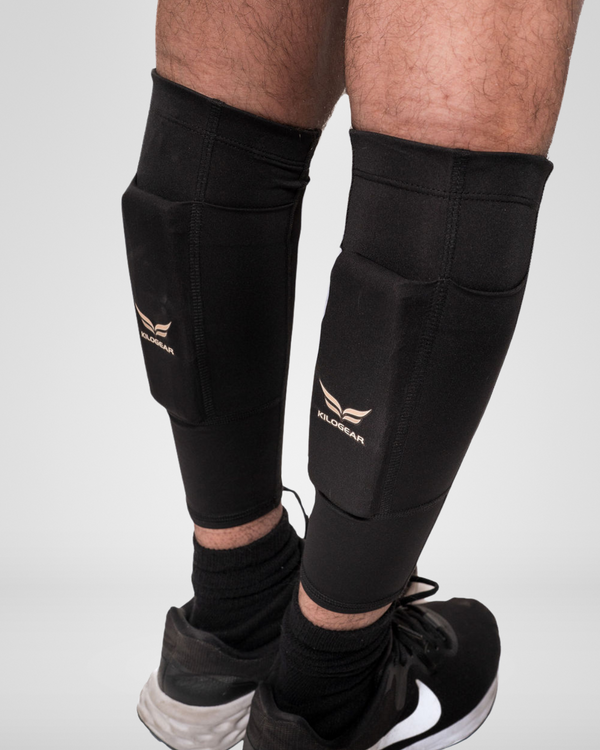
Quad, hip, and calf loading builds the snap behind your flutter and dolphin kick. The driving leg works harder every rep, developing the propulsion that holds your speed through the back half of a race.

WALL DRIVE

WALL DRIVE

Every race is won on the walls. Loading the legs through your push-off and streamline builds explosive drive off the wall, so your underwaters carry more speed into every length.

BODY LINE

BODY LINE

A fast stroke is a connected one. Loading your rotation and core builds the strength to hold a tight, driving body line, so your power transfers from your kick to your catch without leaking.

How It Works

Add minimal load with KILOGEAR wearables.

Add minimal load with KILOGEAR wearables.

Perform your natural movements on land, in the pool, and in training.

Perform your natural movements on land, in the pool, and in training.

Your body adapts, building strength, wearables. speed, and power.

Your body adapts, building strength, wearables. speed, and power.

Transfer your gains to the pool and race faster,

Transfer your gains to the pool and  race faster,

Frequently Asked Questions

Can you actually swim in KILOGEAR? 

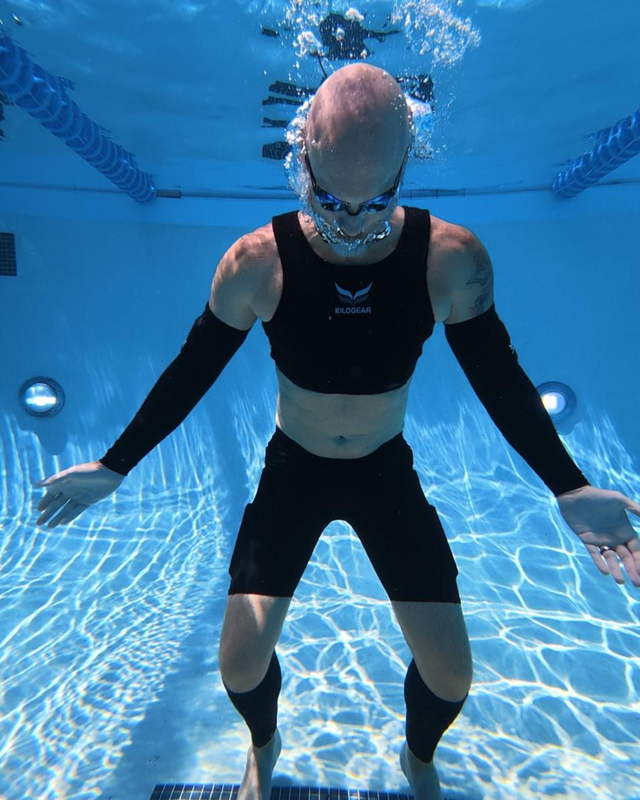
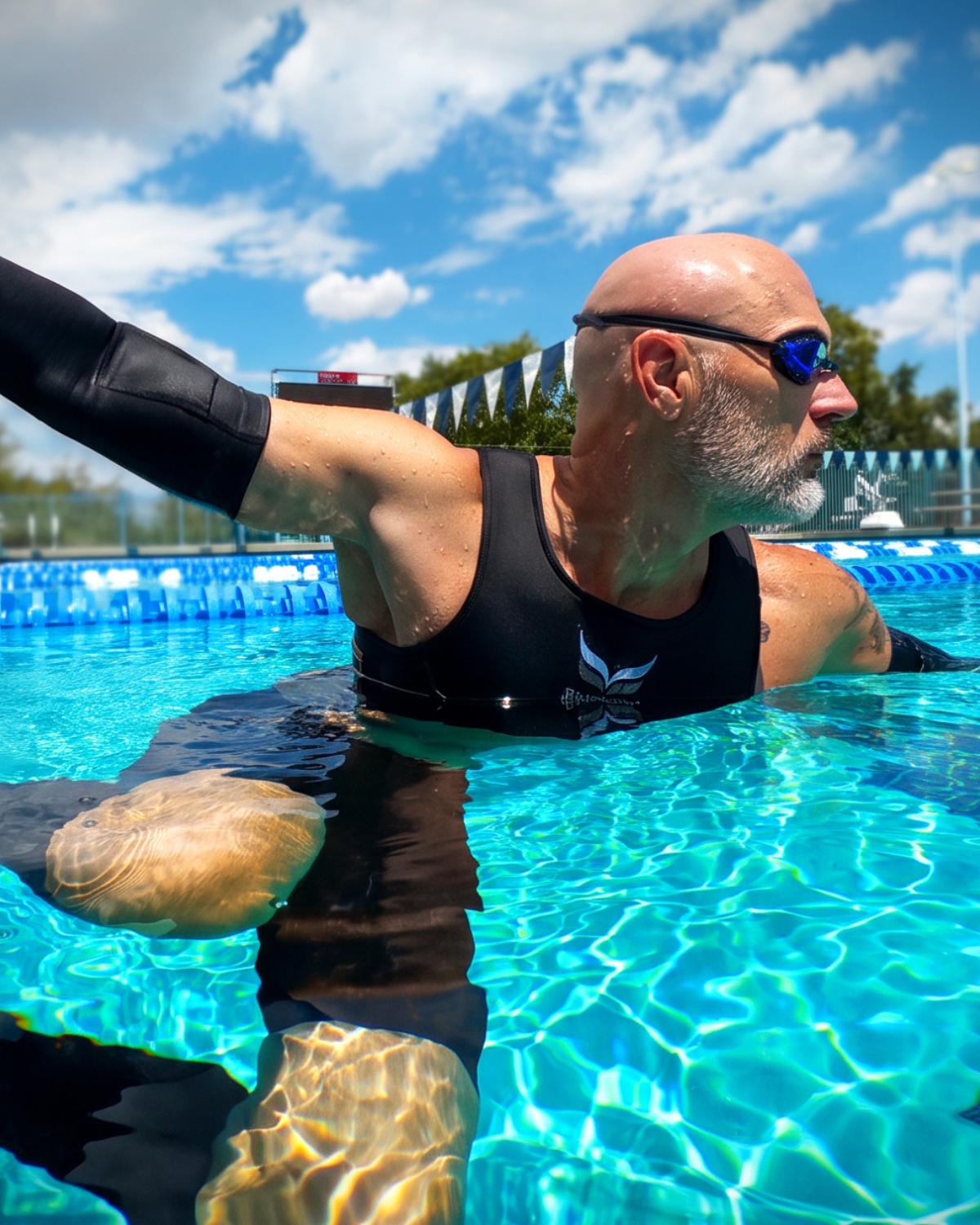
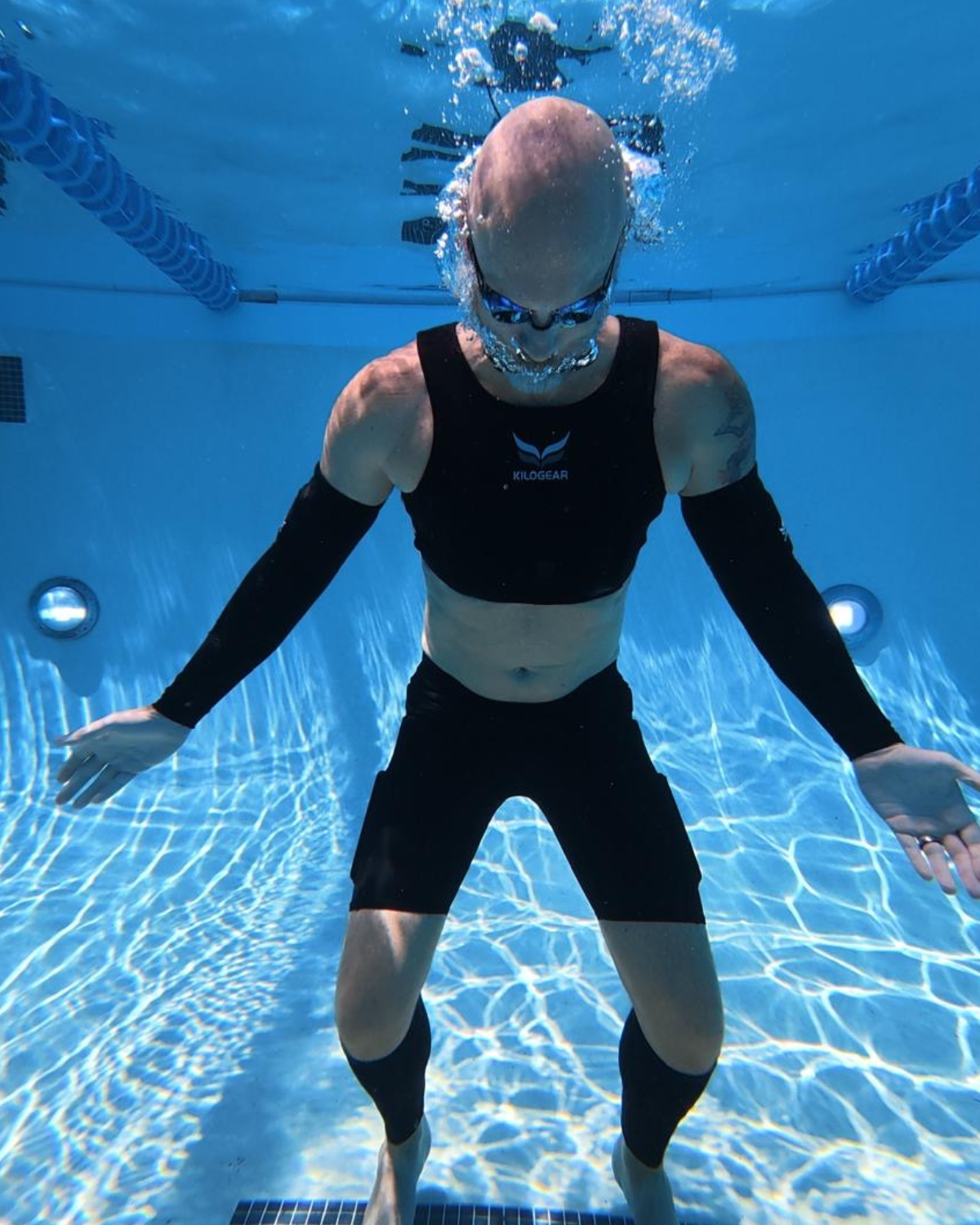
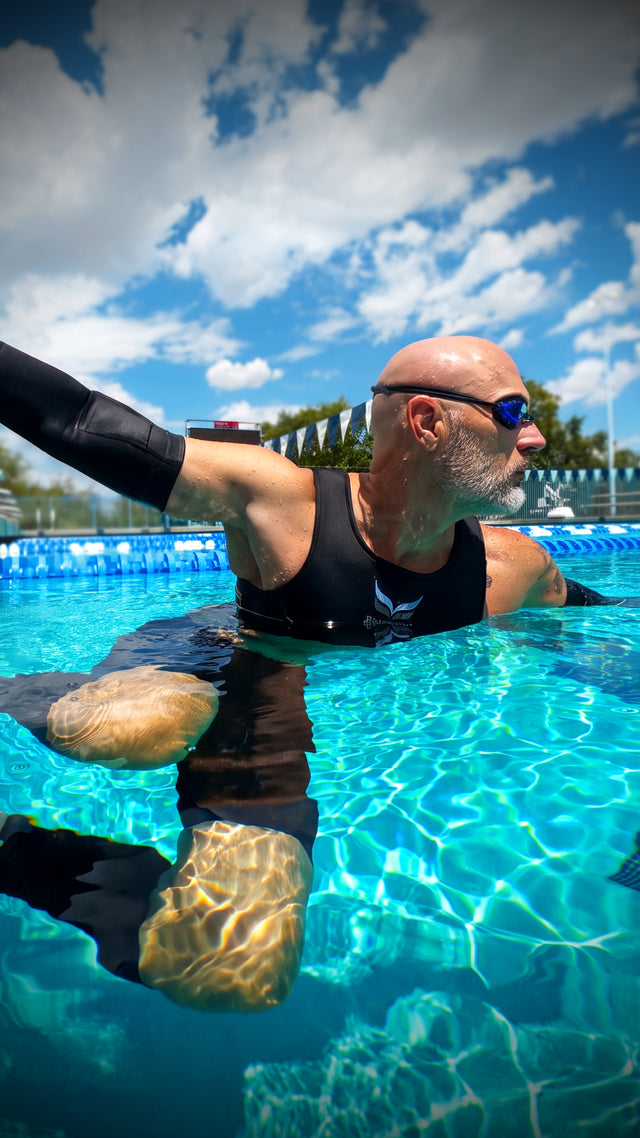
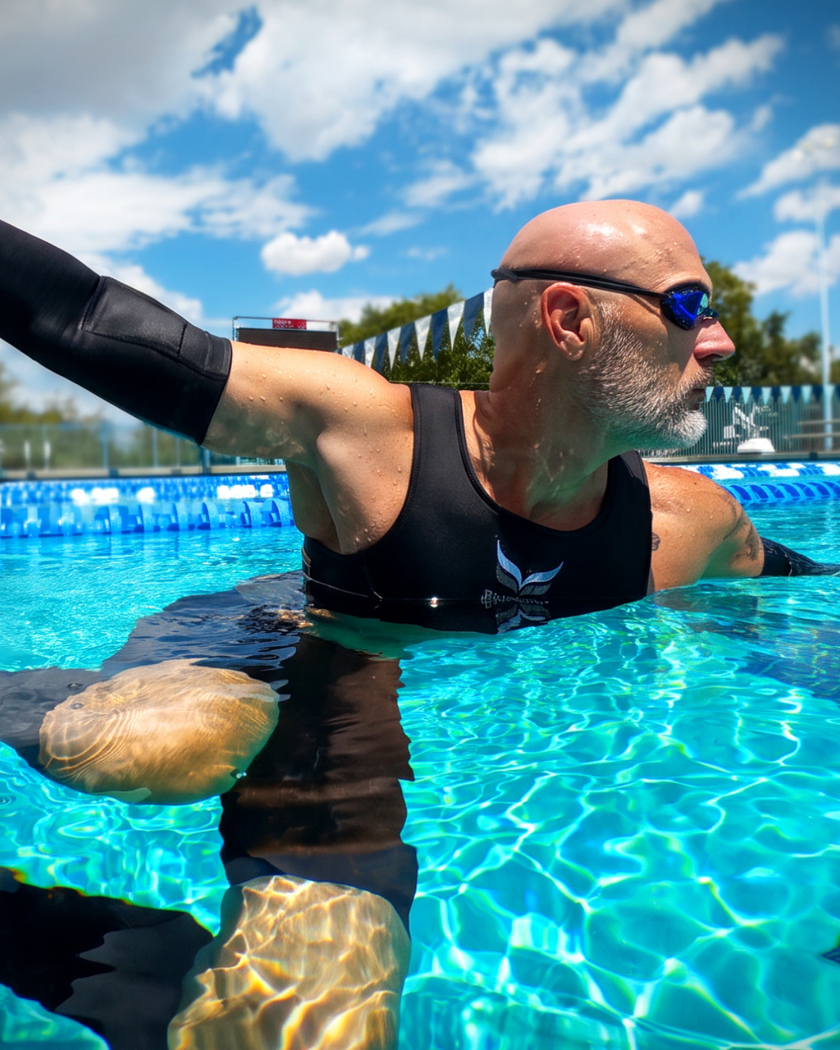
Yes. The apparel is a poly-spandex blend and the weights are fully encapsulated in silicone, so there's no metal exposed to the water and nothing that corrodes. That said, check with your facility first. Some pools have their own rules about what can be worn in the water, and it's a five-second conversation with your aquatics director that saves you a hassle later. Rinse the garment after swimming the same way you'd rinse a race suit.

What is the difference between the swim kits? 

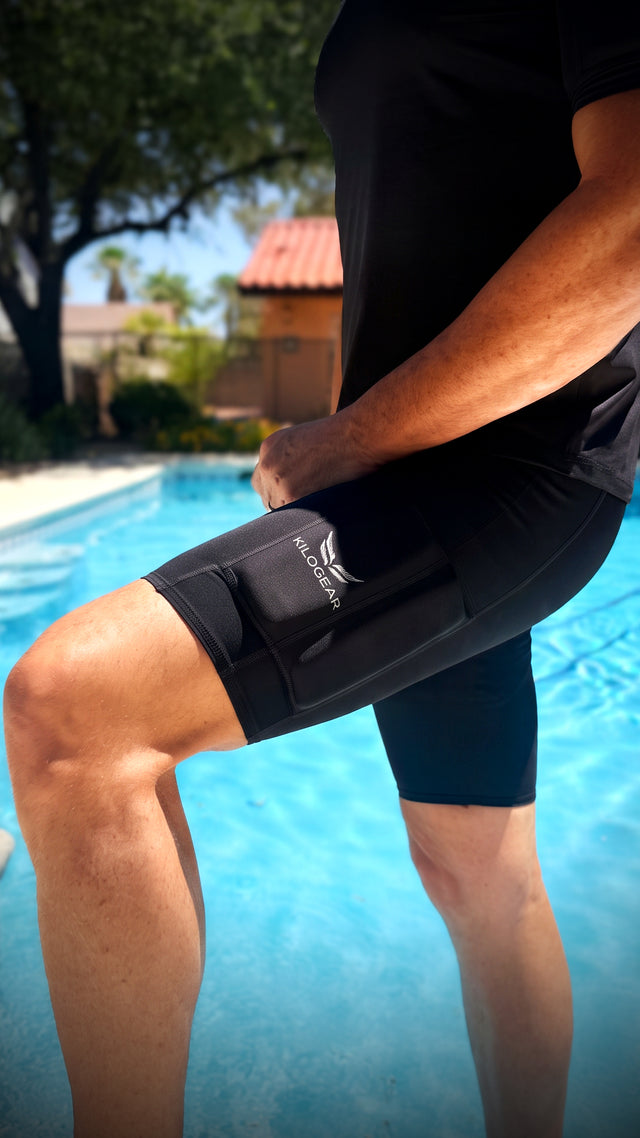
The Speed Kit is arm sleeves and loads the pull. The Power Kit adds calf sleeves so you're training the pull and the kick together. The Max Velo Kit adds compression shorts, which brings the quads and the push off the wall into it. Most swimmers should start with the Speed Kit and build from there.

Does it replace dryland or the weight room? 

No. I still use the weight room, I still use cords, and I still use parachutes. KILOGEAR adds a layer those tools can't, which is resistance that isn't confined to one set or one room. Think of it as another tool in the box, not a replacement for the box.

Is it safe for young swimmers?

The system scales down, which is the important part. A twelve-year-old and a national team athlete use the same apparel with completely different loads. For age group swimmers I'd stay at the lightest setting, keep it to short blocks, and have a coach watching technique the whole time. If a young athlete has any existing injury or pain, talk to their doctor first.

How much weight should a swimmer start with? 

Less than you think. The weights come in quarter-pound and half-pound increments specifically so you can build gradually. Start with the lightest configuration in the kit, run it through a warm-up or a single set, and see how the athlete moves before adding anything. A sprinter and a distance swimmer will end up in very different places, and both should get there slowly.

Will it change my stroke? 

That's the right question to ask, and it's the first thing I checked. The load is distributed across the muscle groups rather than concentrated at one point, which is what lets it add resistance without pulling your body out of position. The rule still applies though: if you see stroke quality drop, take weight off. No tool is immune to being overloaded.