

How do you improve first step speed?
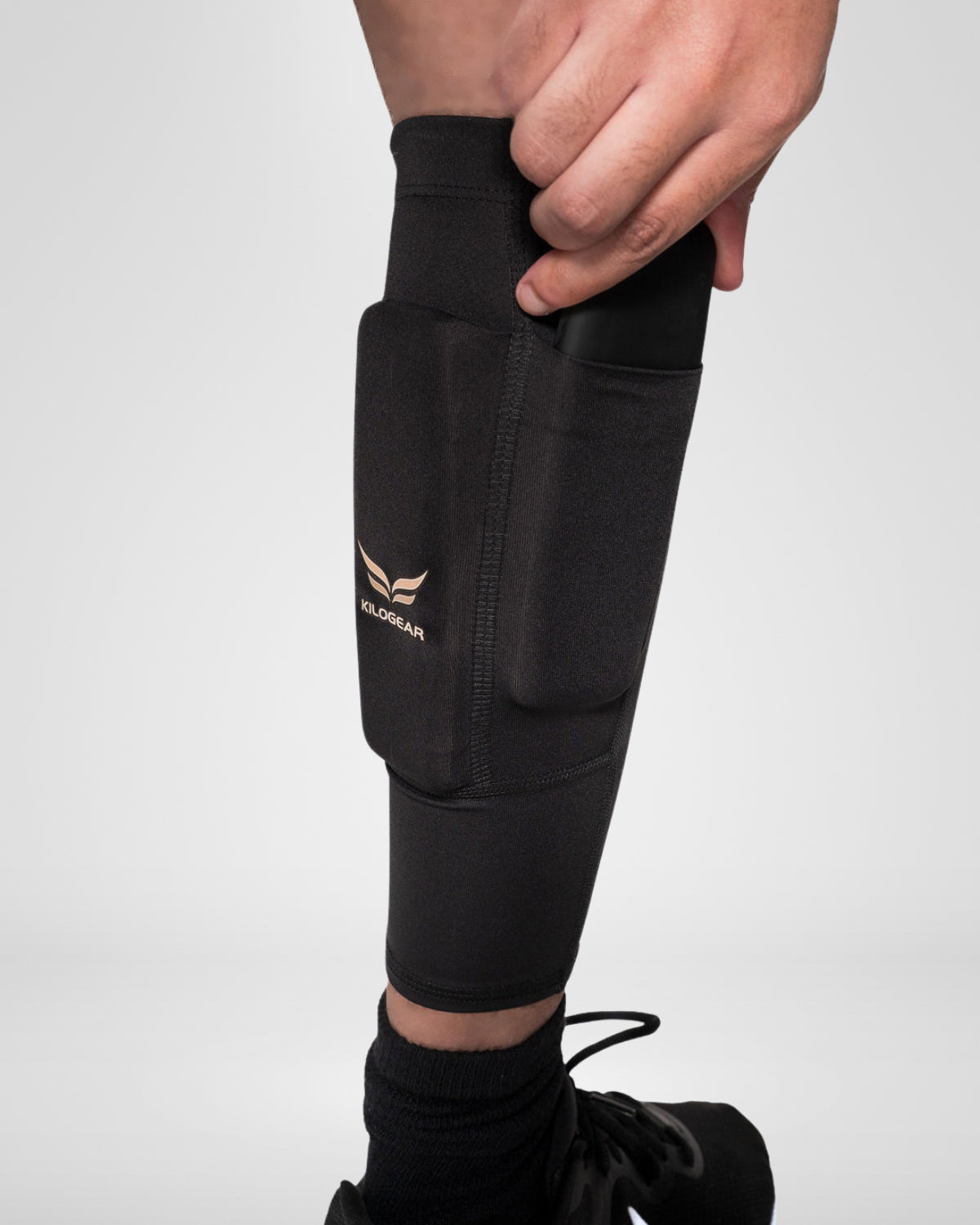
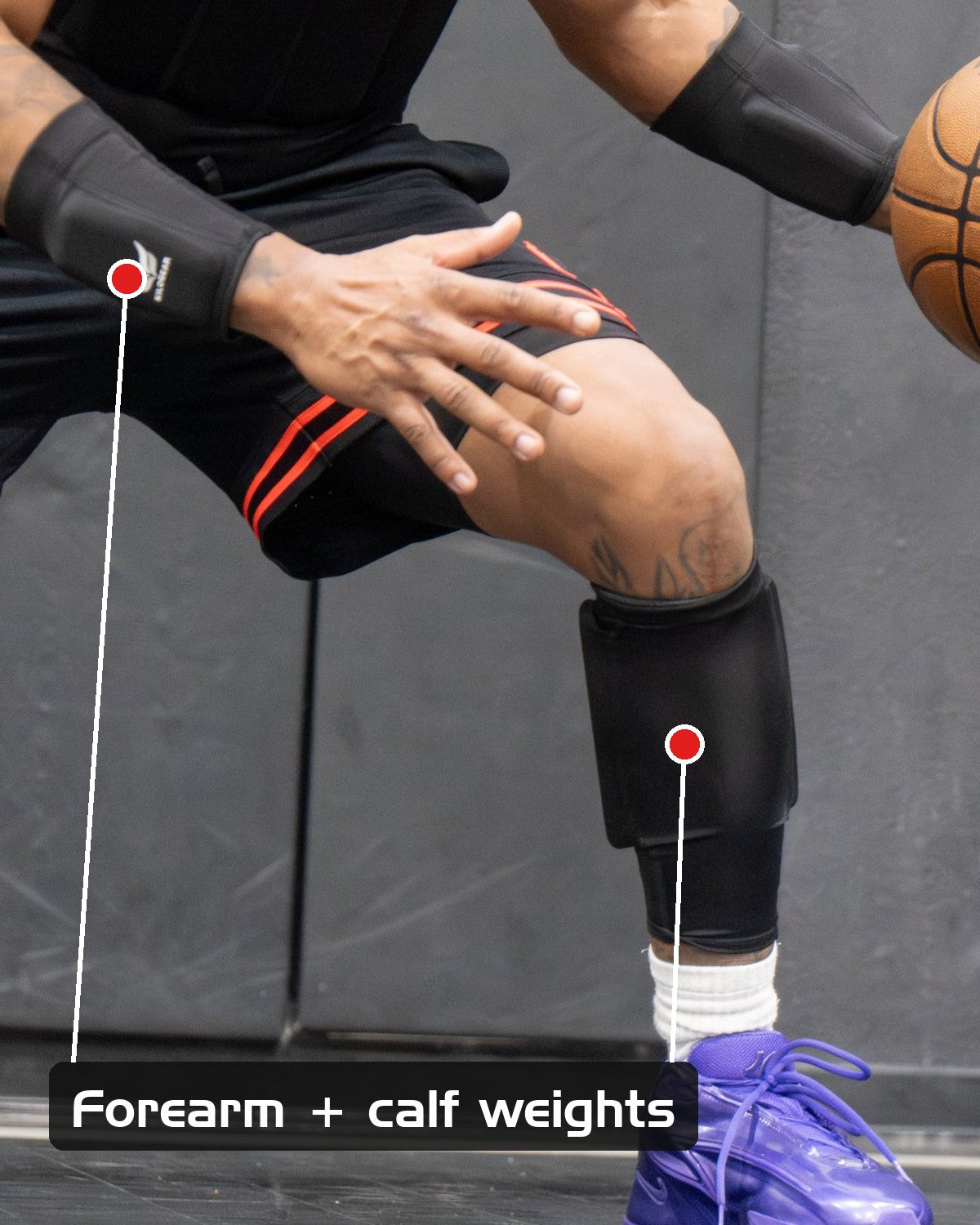
You improve first step speed by training the lower-leg and hip muscles that push you off the ground, in the same short, sharp movements you use in your sport. I'm having my athletes add light weight on the calves for their acceleration and change-of-direction drills, then repeat the same drill without it. The load sits on the muscle, not the ankle joint, so their mechanics stay the same.
Here's how I'm coaching it, and the four drills I'm starting with.
Speed in sports is rarely a straight line
Very few athletes need top-end sprint speed over 100 meters. A shortstop needs the first step to the ball. A soccer player needs to cut and get past a defender. A squash player needs to stop, change direction and go again, over and over.
That's three skills: first step, cut and stop. All three are driven by the lower body: the calves, the hips and the muscles that absorb force when you plant.
Why I'm adding KILOGEAR
"Ankle weights sit right on the joint and they slide around the second you cut. I need load that stays put when my athletes change direction. KILOGEAR calf sleeves put the weight on the calf muscle, so every push-off and every plant works a little harder, and the mechanics we've built don't change."
Coach Tre Gause, Head Strength & Conditioning Coach, Connecticut Sports Performance
I already test my athletes on 10-yard splits, the 5-10-5 shuttle and jumps, so I'll be able to see how they move with and without the gear.
4 first step and change-of-direction drills
1. First-step starts
Calf sleeves on. From a split stance, explode forward for 5 yards. Focus on a low, powerful push. Do 5 reps loaded with full rest, then 2 reps unloaded.

2. 5-10-5 footwork
Run the shuttle at controlled speed with the sleeves on. Plant hard, stay low through the turn and push out. Do 3 reps loaded, then 1 at full speed unloaded.
3. Lateral bounds
Bound side to side, landing on one leg and holding for a second before the next bound. This builds the stop. Do 2 sets of 6 per side, loaded.
4. Decelerate and stick
Sprint 10 yards, then stop in as few steps as you can and hold your position. Strong stops make faster cuts. Do 4 reps loaded, then 2 unloaded.
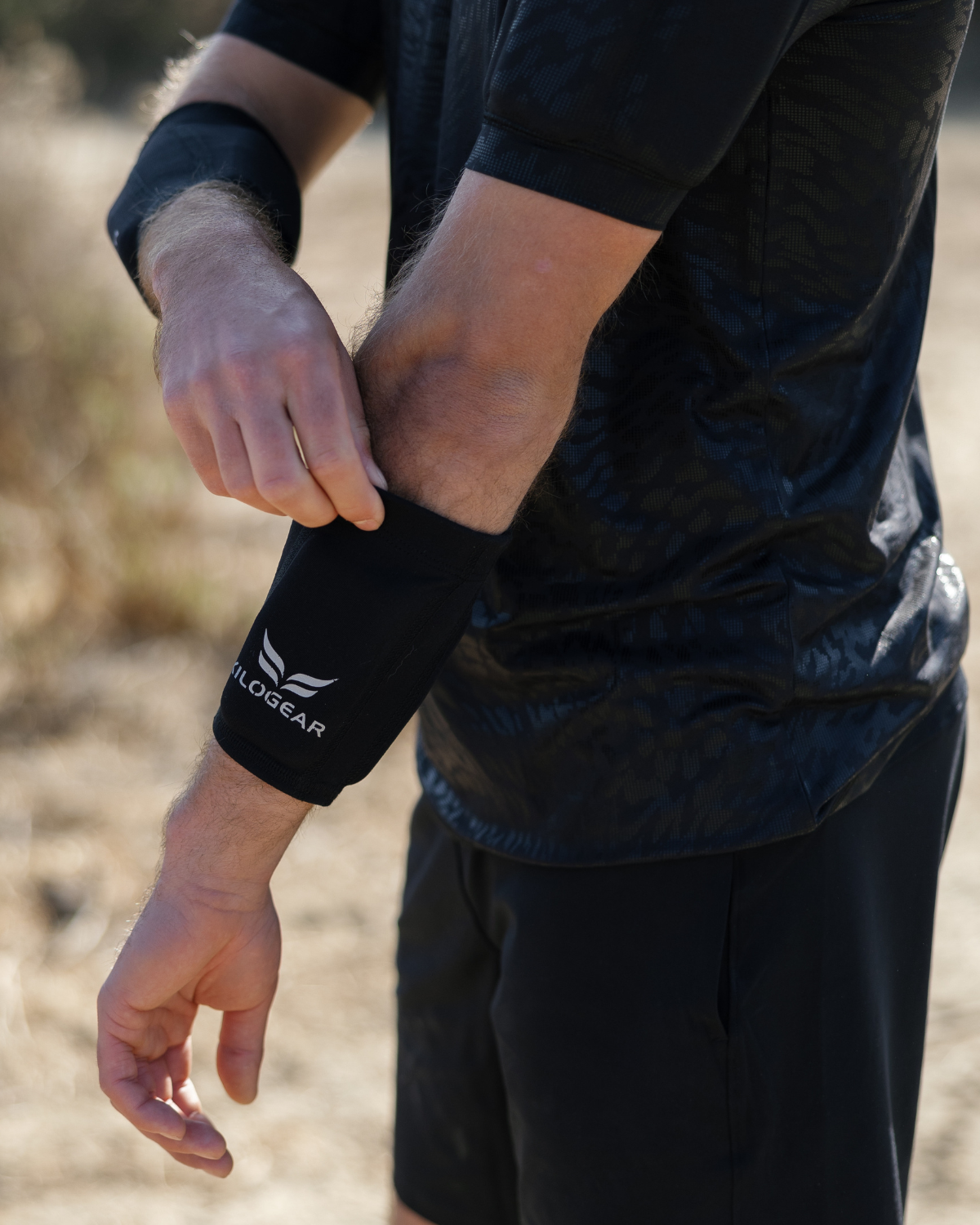
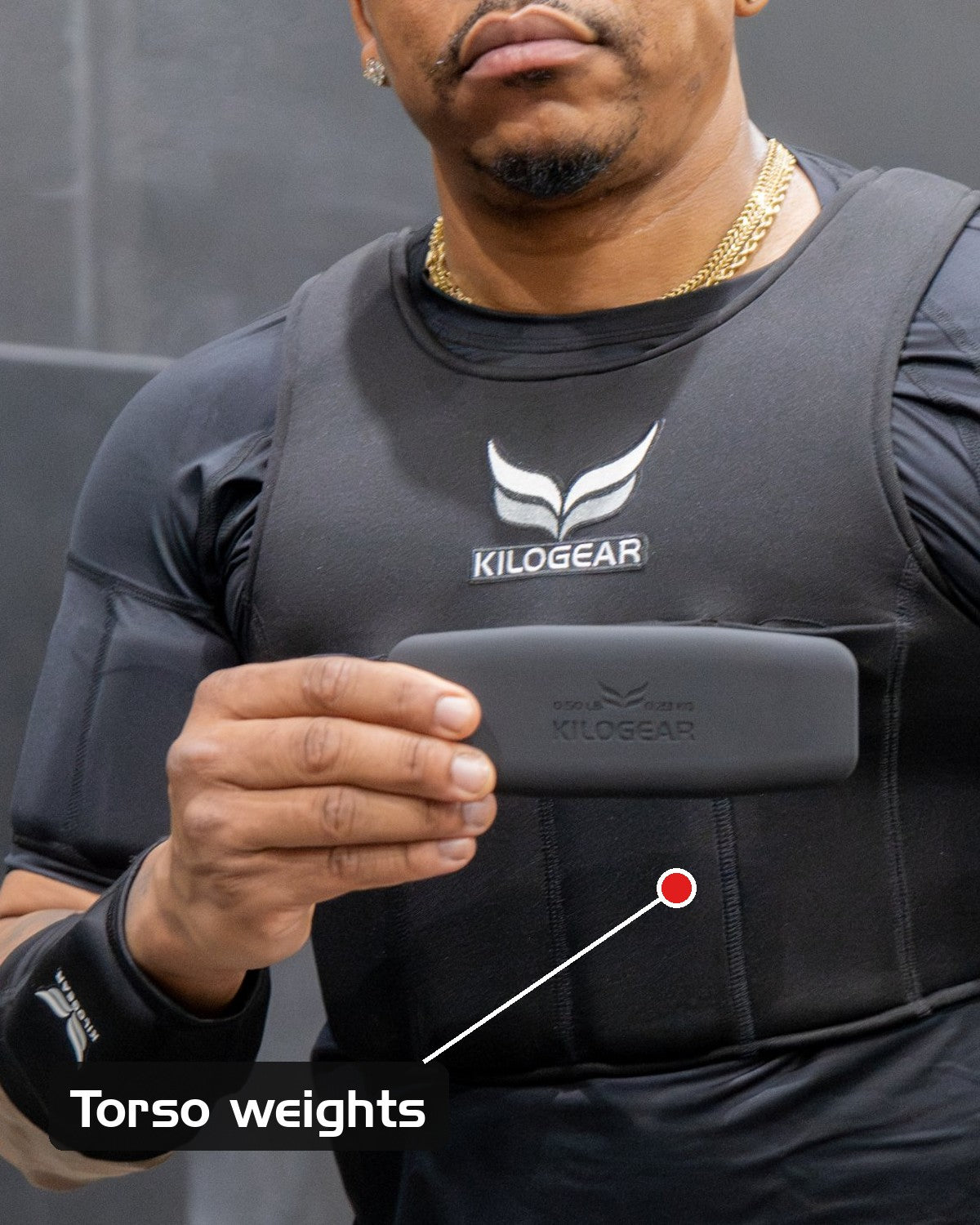
For baseball and softball players, I'm adding forearm bands to their throwing and swing warmups. For conditioning days, I'm adding the vest with the calf sleeves. The vest puts weight on the torso, off the spine, so athletes can run their movement circuits with more total load.

How to start
- Start light. Begin with KILOMICRO weights at 0.25 lb. Add weight only when your form stays sharp on every rep.
- Keep reps short and rest fully. Speed work is about quality, not fatigue.
- Always finish unloaded. Your last reps should be at game speed and game weight.
If you have an ankle, Achilles or knee injury, check with a physical therapist before adding load.
Train with Coach Tre
See my program on my KILOGEAR page. Start with the KILOGEAR CALF STARTER KIT (1 LB), or get the KILOGEAR ARM BAND + CALF KIT (2 LB) for speed work plus throwing warmups. For conditioning, go with the KILOGEAR VEST + CALF KIT (3 LB).
Why not ankle weights? Read Why Ankle Weights Hurt Your Knees.
Frequently asked questions
Do ankle weights make you faster?
They're not a good choice for speed work. Ankle weights sit right on the ankle joint, they can change your stride and they slide when you cut. If you want to add load to speed drills, put it on the calf muscle instead, keep it light and always repeat the drill without the weight.
What muscles help first step speed?
Mostly the calves, glutes, quads and hip muscles. They push you off the ground in the first few steps. Your hip flexors drive the knee forward. Training those muscles in short, explosive movements is the most direct way to get quicker off the mark.
Can youth athletes use weighted calf sleeves?
Yes, with light weight and good coaching. Start with KILOMICRO weights, keep sessions short and focus on form. Any athlete with pain in the ankle, Achilles or knee should get checked before adding load.
How do you get better at changing direction?
Get better at stopping. Most athletes lose time in the cut because they can't absorb force and stop quickly. Drills like lateral bounds and decelerate-and-stick build that, and they make the next first step faster.