


Two ways to add resistance to your lower body. Only one is designed to keep your knees, hips, and gait intact.
If you've ever strapped on ankle weights for a walk and felt a twinge in your knee a week later, you weren't imagining it. Physical therapists, orthopedic specialists, and major medical institutions, like Harvard, have warned for years that traditional ankle weights aren't safe for walking, running, or other dynamic movements. They cite risks like altered gait, extra stress on the knees, hips, and ankles, and muscle imbalances that can lead to injury.
What the warnings rarely mention is that the problem isn't added resistance. The problem is where the weight sits and how it loads the joint. Modern weighted apparel solves the exact issue that makes ankle weights risky, and most people who'd benefit from it have no idea it exists.
Here's what's actually going on, why ankle weights cause the issues they do, and what to wear if you want the strength and calorie burn without wrecking your knees.
The short answer: yes, ankle weights can damage your knees during cardio
Three specific problems show up when ankle weights are worn during walking, running, or aerobic exercise:
- They alter your stride.
- They overload the quadriceps while underworking the hamstrings, which creates muscle imbalance.
- They put unnatural traction force on the knee, hip, and ankle.
Harvard Health, WebMD, and Mass General Brigham have all published guidance against ankle weights for aerobic activity. The reason isn't that weighted training is bad. It's that concentrated weight on a distal joint during repetitive cardio movement is mechanically a bad idea.
"In the clinic, the patients who walk in with knee pain after starting an ankle weight routine are some of the most common cases I see. They're doing the right thing by trying to add intensity to their cardio. They're just using a tool that wasn't designed for the job." — Dr. Aaron Willis, DPT
Why it happens
Your body moves in coordinated patterns. When you walk or run, your hamstrings and glutes pull your leg backward while your quadriceps and hip flexors swing it forward. That balance was refined over millions of years of evolution, and your knees depend on it.
Strap a 2 or 3 pound weight to your ankle and start walking, and three things happen at once.
Your quads start doing your hamstrings' job. Lifting a weighted ankle takes more quad and hip flexor activation. Over a few weeks of regular wear, that creates measurable strength imbalance between the front and back of your thighs. Imbalanced thighs are one of the most documented contributors to knee pain.
The weight pulls down on your knee with every step. Your knee handles compressive force well (your body weight pressing down through it), but it isn't built for traction force (something pulling your lower leg away from your upper leg). Ankle weights create exactly that traction with every stride. Physical therapists at Harvard's Spaulding Rehabilitation Network have flagged this as a real injury risk for tendons and ligaments.
Your gait shifts, and so does the stress on every joint above the ankle. Studies show ankle weights change walking and running biomechanics. Your hips, knees, and lower back compensate without you noticing. By the time you feel pain, the imbalance has been building for weeks.
A 2016 study found that for older adults, ankle weights between 0.5% and 1% of body weight could actually improve knee joint repositioning. But anything heavier started disrupting it. For most adults that's under 1.5 pounds, well below what most ankle weights sold at sporting goods stores actually weigh.

Same weight, different placement. Distributed on muscle protects your joints. Concentrated at the ankle pulls on them.
So should you skip weighted training? No.
Here's where most articles stop, and where they get it wrong.
The benefits of training with added resistance are real and well documented. Higher caloric burn during the same workout. Better cardiovascular fitness and VO2 max. More muscle activation. Bone density gains, which matter especially for women in perimenopause and menopause. Better posture and core engagement.
Weight isn't the problem. Concentrated weight in the wrong place is. The body handles distributed load beautifully, which is why weighted vests have decades of research behind them and why rucking with a backpack is suddenly everywhere. What the body doesn't handle well is a heavy mass strapped to a joint that's already working hard.
The answer isn't to give up on weighted training. It's to load your body the way it's built to be loaded.
The modern alternative: distributed micro-weighted apparel
A new category of training apparel has emerged over the last few years that addresses exactly the problem orthopedic specialists warn about. Instead of concentrating weight at the ankle or wrist, distributed micro-weighted apparel spreads small amounts of weight across the body, so no single joint absorbs the load.
The principle is straightforward. If you're wearing two pounds in distributed micro-weighted apparel, that weight sits on muscle tissue across multiple body zones rather than pulling on a single joint. Your gait stays natural. Your joints aren't bearing traction force. Your muscle activation patterns stay balanced.

KILOGEAR's distributed micro-weight system spreads resistance across multiple body zones, so no single joint absorbs the load.
This is the design principle behind KILOGEAR.
"The biomechanical reasoning is simple. Your body is a kinetic chain, and every joint above a loaded point pays a cost. When you concentrate weight at the ankle, the knee, hip, and lower back all have to compensate. When you distribute that same weight across the torso and limbs in small amounts, the chain stays in balance and the joints stay happy. This is what we mean when we say KILOGEAR was designed not to alter biomechanics." — Dr. Aaron Willis, DPT
The result is weighted training that doesn't change your stride, doesn't create quad-hamstring imbalance, doesn't put traction force on your joints, and still delivers the caloric burn, muscle activation, and cardiovascular benefits.
You get the upside of resistance training without the joint risk that's made physical therapists wary of ankle weights for twenty years.
What to wear instead, by activity
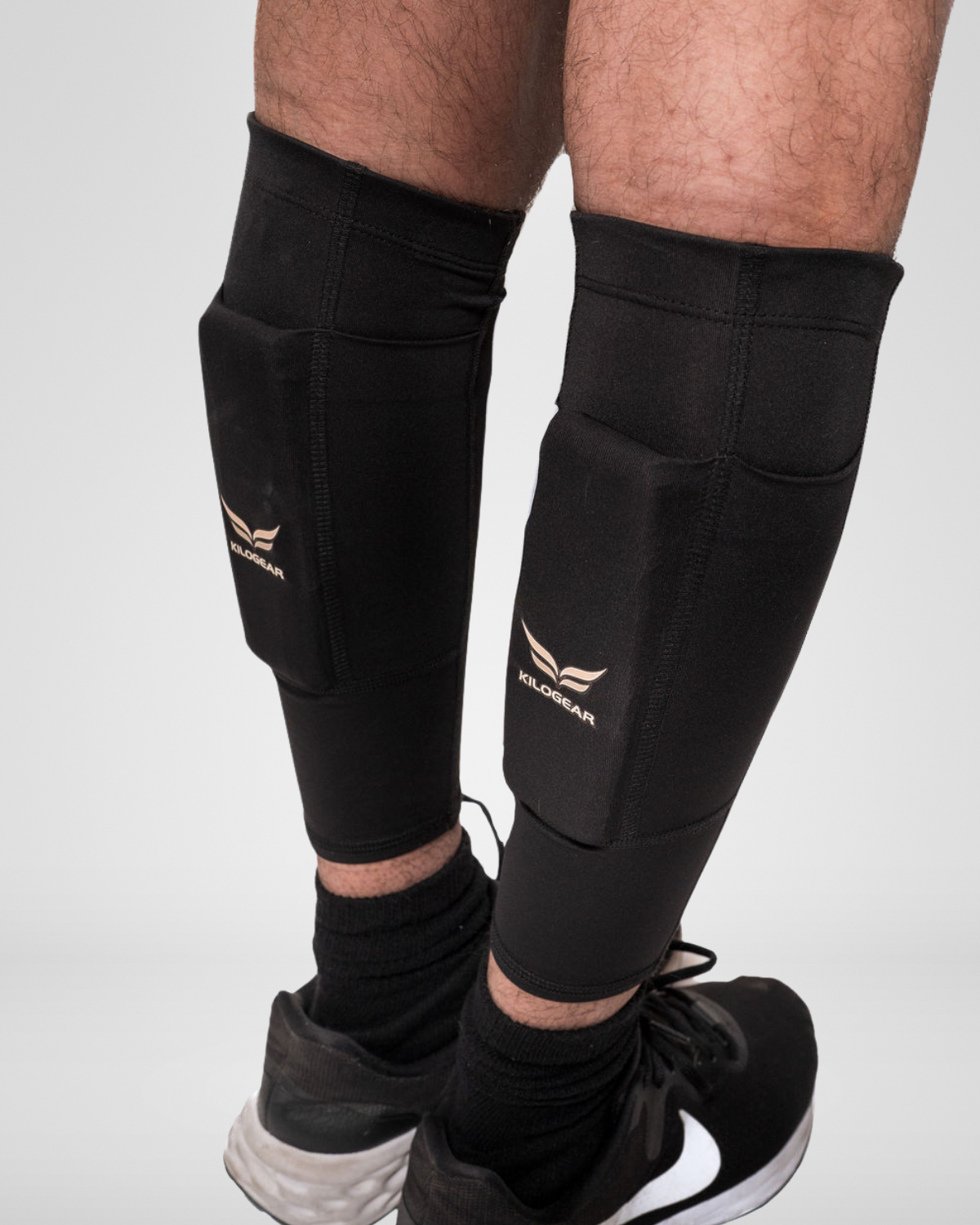
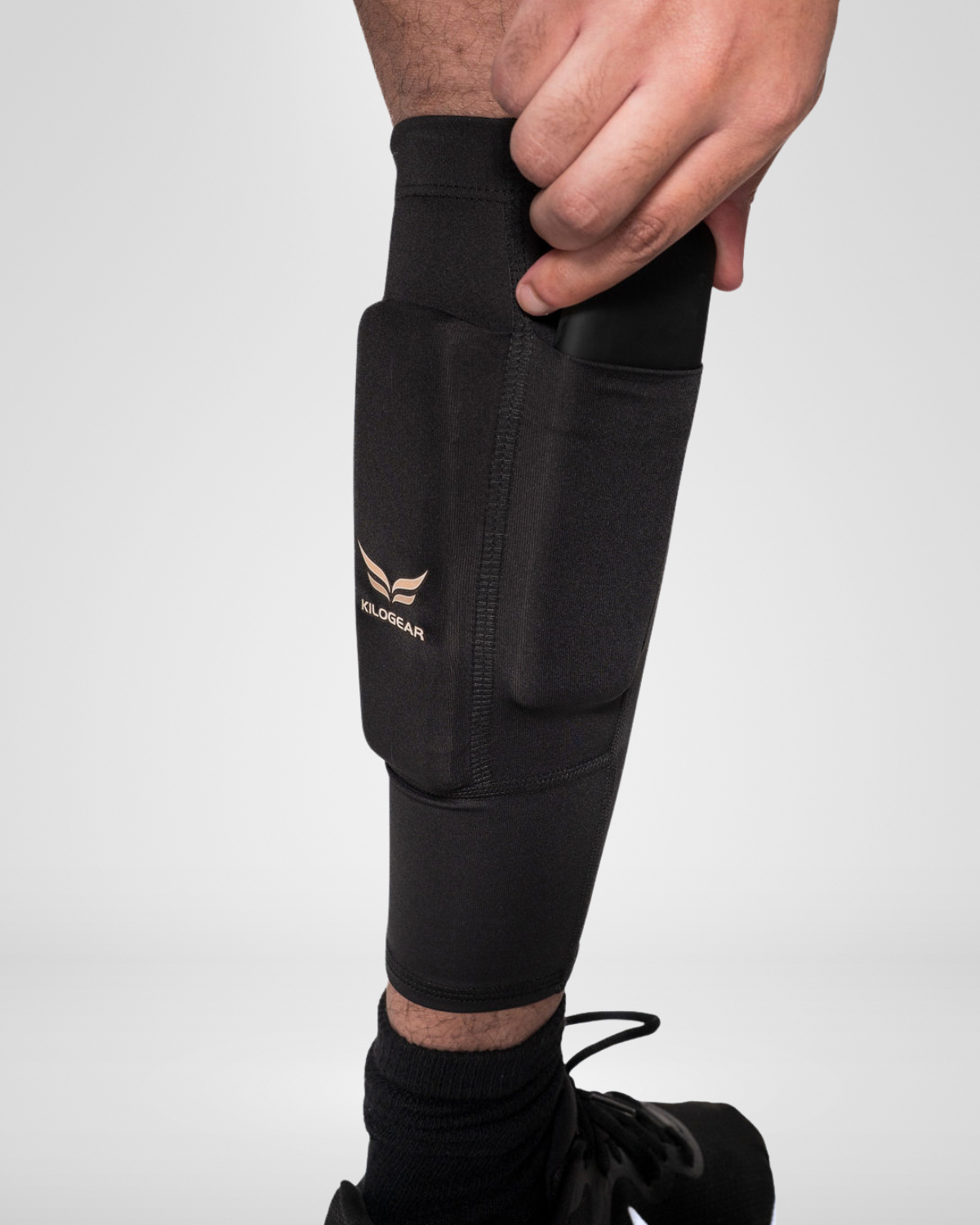
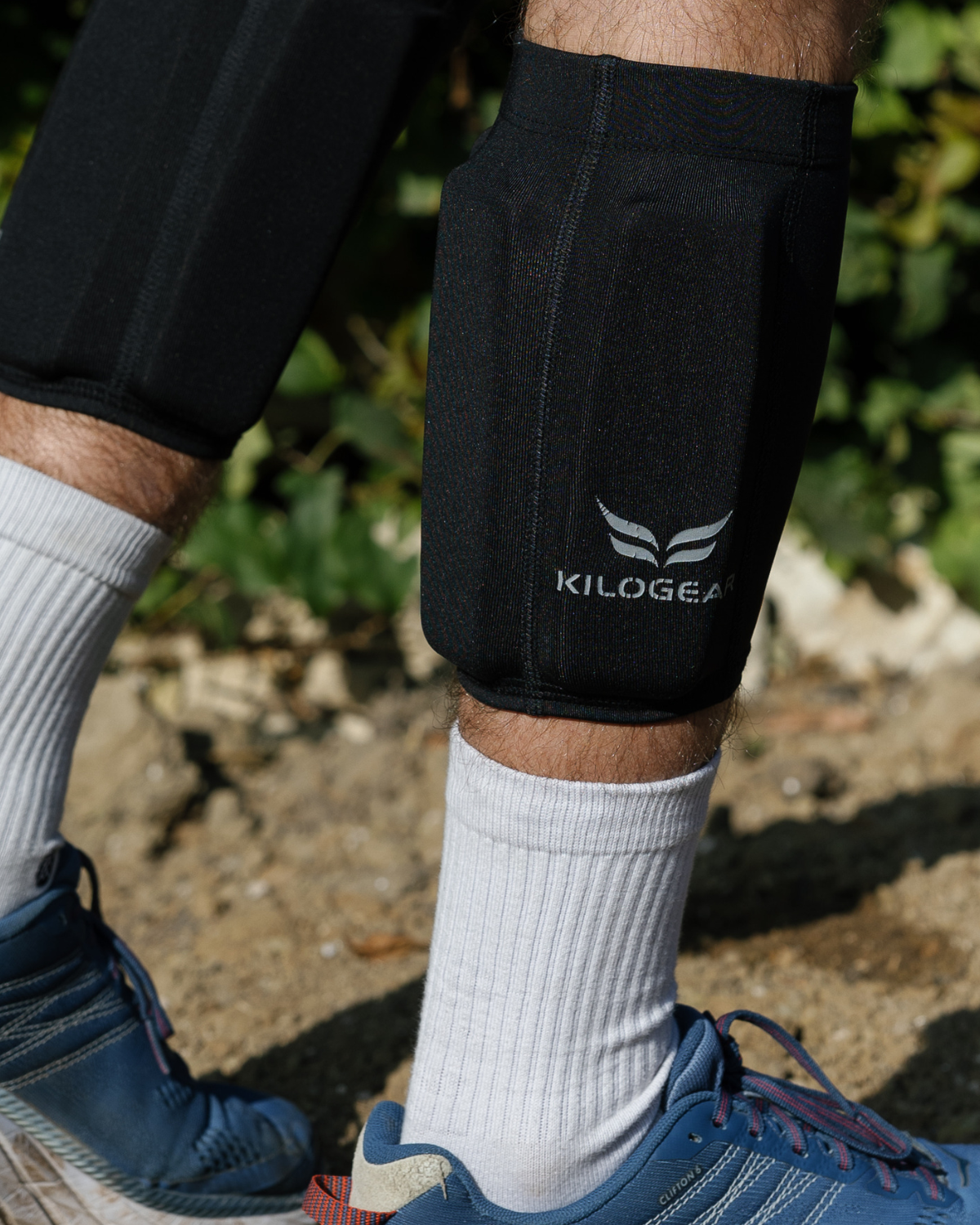
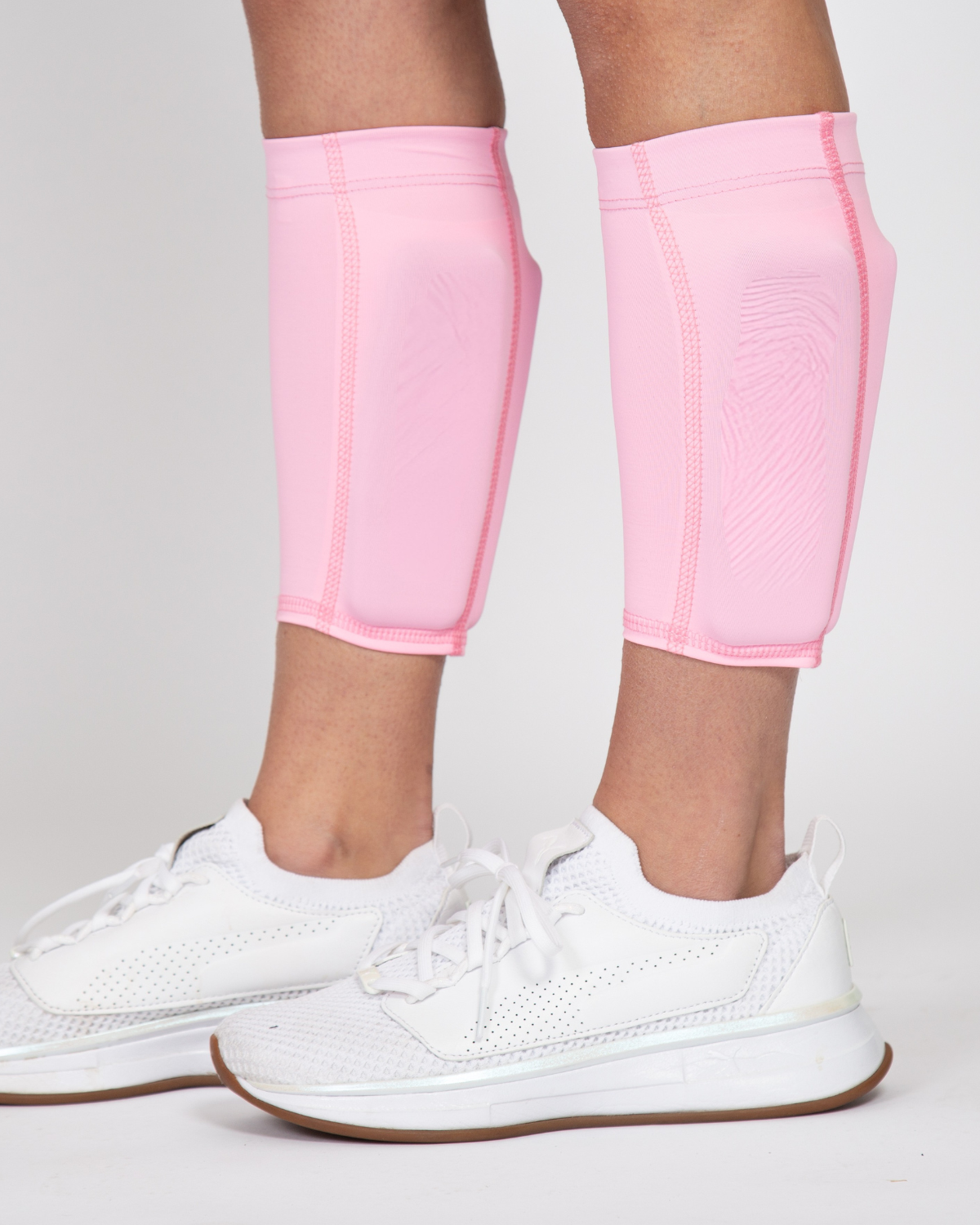
For walking and daily movement: distributed micro-weighted leggings or compression apparel. The weight spreads across multiple zones and doesn't change how you walk. For women, the AURA Core Legging is built exactly for this. For both men and women, the KILOGEAR Calf Sleeves add resistance to the lower leg without loading the ankle joint itself.
For running: skip ankle weights completely. A weighted top or compression apparel adds resistance to your upper body and core without changing your stride. The AURA Pro Legging for women, the APEX Pro Short for men, and the KILOGEAR Calf Sleeves for either are what we recommend for runners who want resistance without sacrificing form.
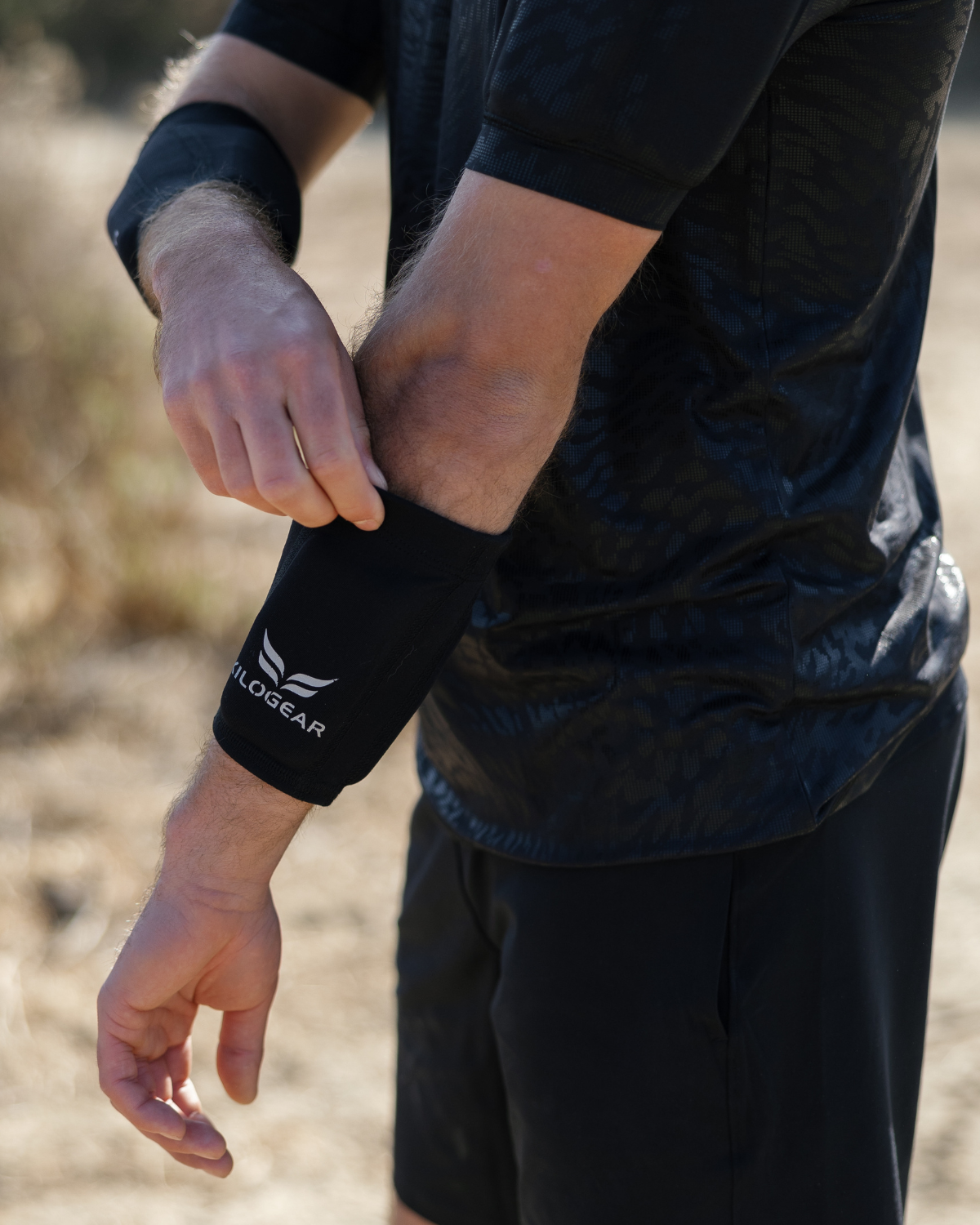
For Pilates, yoga, and floor work: this is one place where light, targeted resistance at the wrists or forearms can actually be useful, as long as it isn't being used for cardio. The KILOGEAR Core Arm Bands use micro-weights to add controlled resistance during yoga or Pilates flows without the bulk or joint stress of traditional wrist weights.

For Pilates and yoga, light targeted resistance at the wrists or forearms can deepen the work without the joint risk of traditional wrist or ankle weights.
For sport-specific training like sprinting, jumping, and agility: distributed weighted apparel built for athletes. Research on athletic performance with weighted vests is strong, and distributed-load apparel delivers the same benefits with better mobility.
The bottom line
The headlines warning about ankle weights aren't wrong, they're just incomplete. Concentrated weight on a working joint during cardio causes real biomechanical problems, and most people who use ankle weights regularly will eventually feel them.
But giving up on weighted training is the wrong response. Loading your body the way it's actually designed to be loaded, distributed across multiple zones, balanced front to back and side to side, in small enough increments that no single joint takes the hit, is what works.
"If you take one thing away from this, let it be this: the goal of weighted training is to make your body work harder while still moving the way it's supposed to move. Anything that forces you to compensate isn't training you, it's injuring you slowly." — Dr. Aaron Willis, DPT
That's the difference between gear that fights your body and gear that works with it. And it's why a growing number of athletes, doctors, and women in midlife are leaving ankle weights behind.