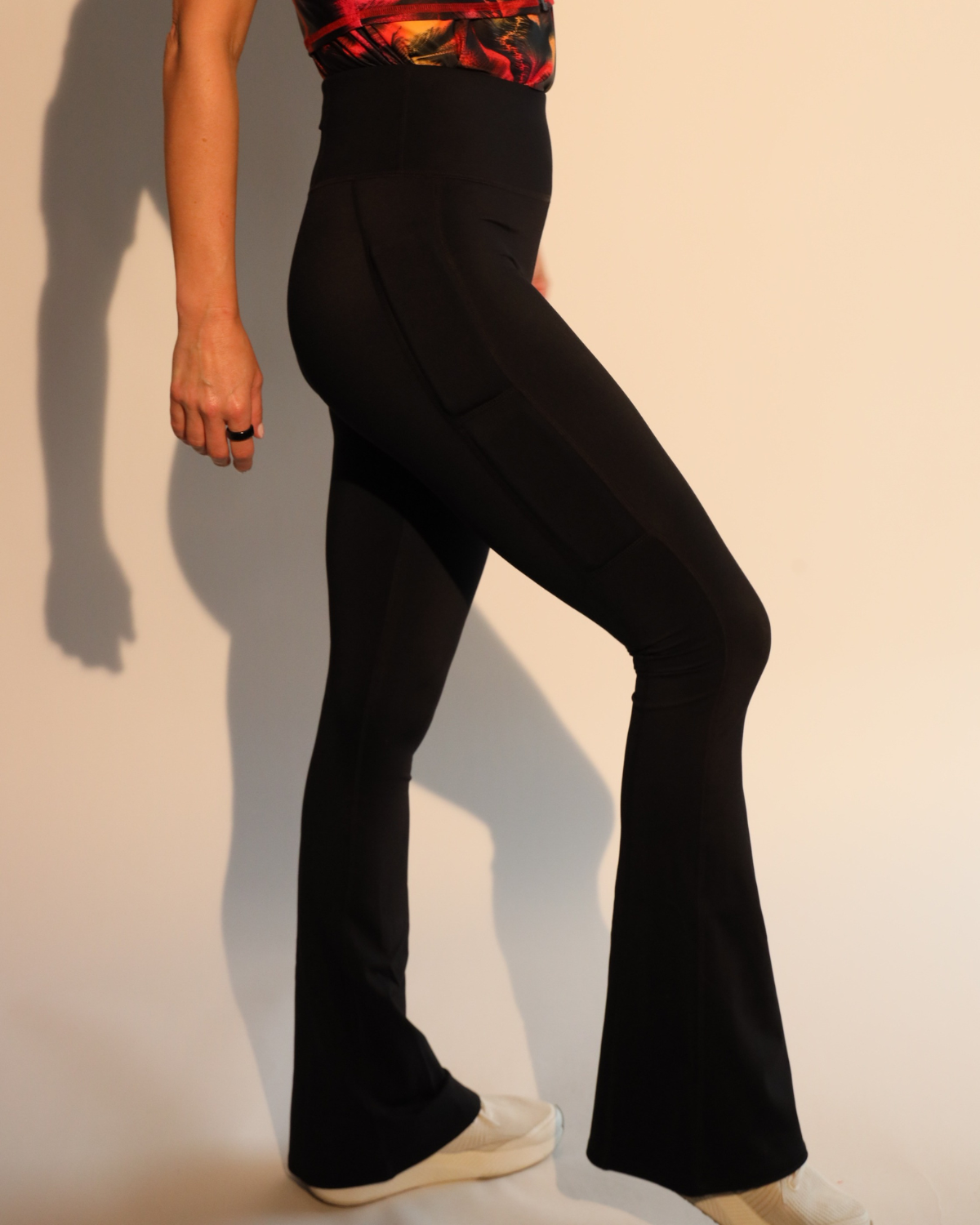



Yes. Weighted leggings burn more calories than regular leggings during the same activity. Paired with a workout, they help you reach the fat-burning heart rate zone faster and stay there longer. This isn't a marketing claim, it's what shows up in real lab testing.
Across our internal testing, participants burned anywhere from 10 percent to over 70 percent more calories during their workouts wearing KILOGEAR than doing the exact same workout without it. The gear also kept their heart rates elevated longer, helped them push into higher heart rate zones they couldn't reach unloaded, and continued burning calories after the workout ended.
That said, weighted leggings won't burn fat for you while you sit on the couch. They won't replace strength training. And they won't override a poor diet. Here's what they actually do, what the research and our testing show, and why most weighted leggings on the market don't deliver on the promise.
How weighted leggings burn more calories

Ankle weights concentrate load. KILOGEAR distributes it.
The mechanism is straightforward. Adding load to the body increases the metabolic cost of movement. Your muscles work harder to move you through space. Your heart pumps faster to supply the muscles. Your lungs move more air. The net effect: more calories burned per minute of activity.
Research on load carriage during walking and exercise consistently shows a 10 to 20 percent increase in calorie burn when you add 5 to 15 percent of body weight, depending on the activity intensity and how the load is distributed. The key phrase is "how the load is distributed." Where the weight sits on your body matters as much as how much it weighs.
Most weighted leggings on the market get this wrong. They concentrate weight at the ankles or stack it in fixed positions that don't move with you. The body responds to that kind of concentrated load by changing gait, shifting posture, and overloading specific joints. The calorie burn does go up, but so does the injury risk.
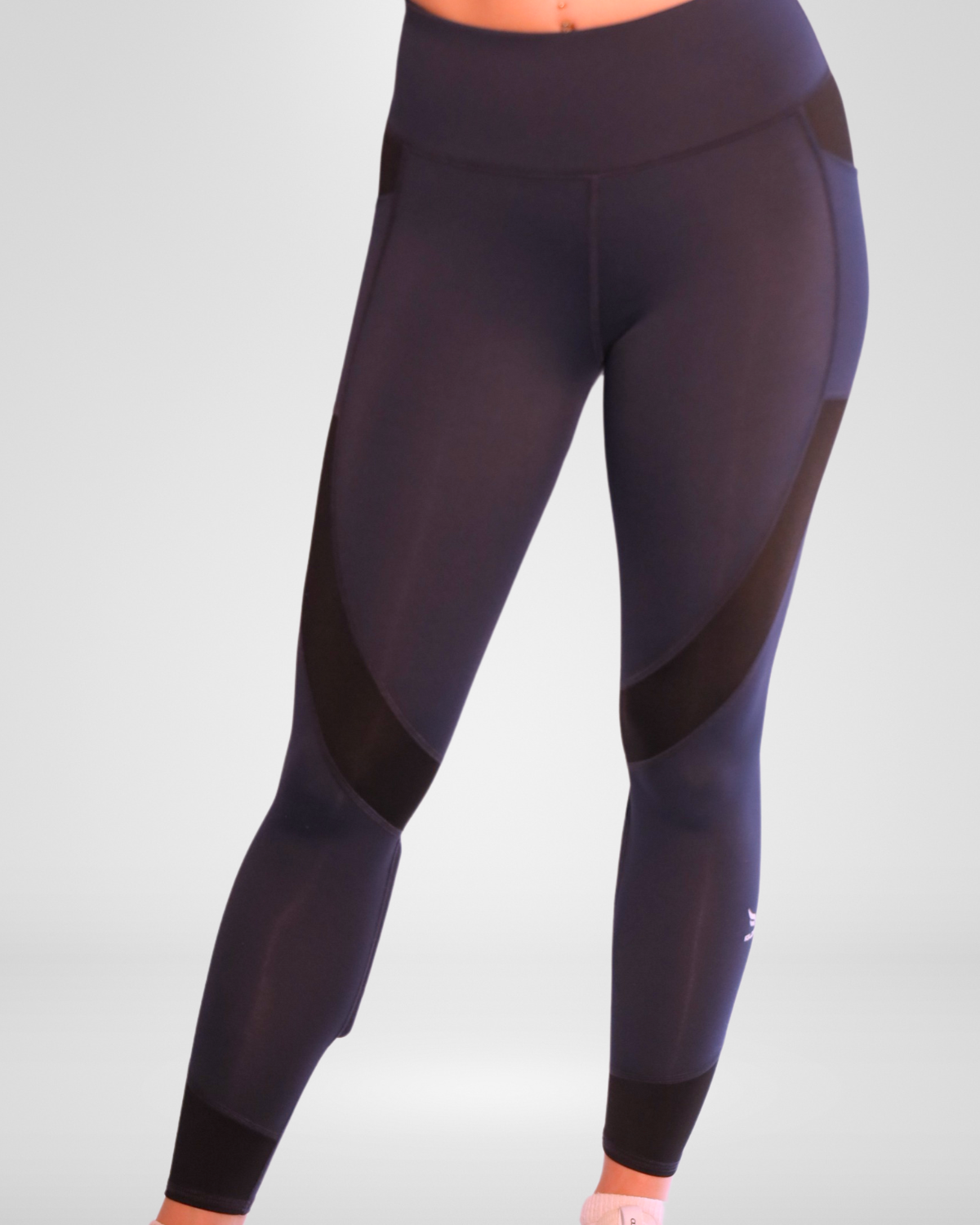
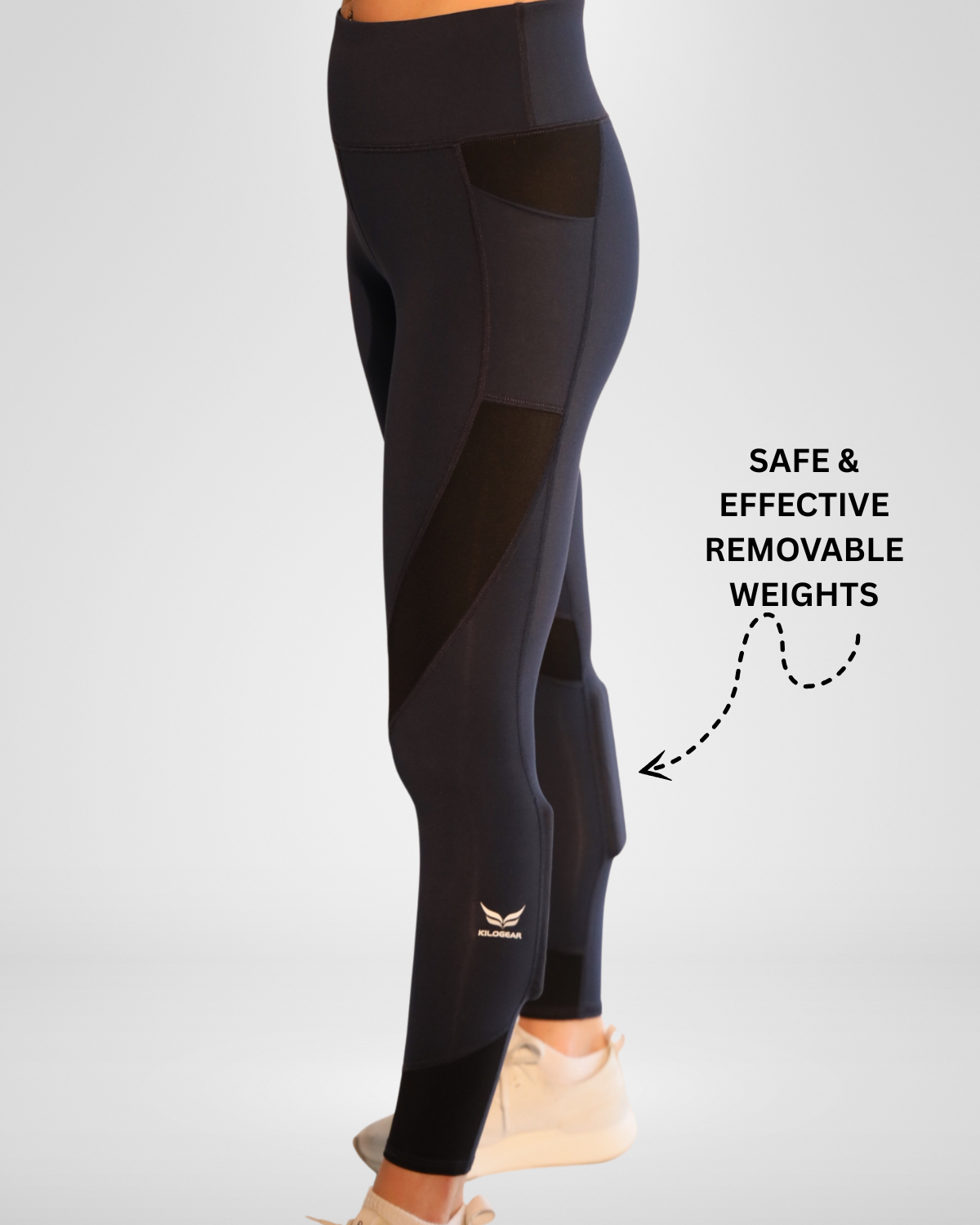
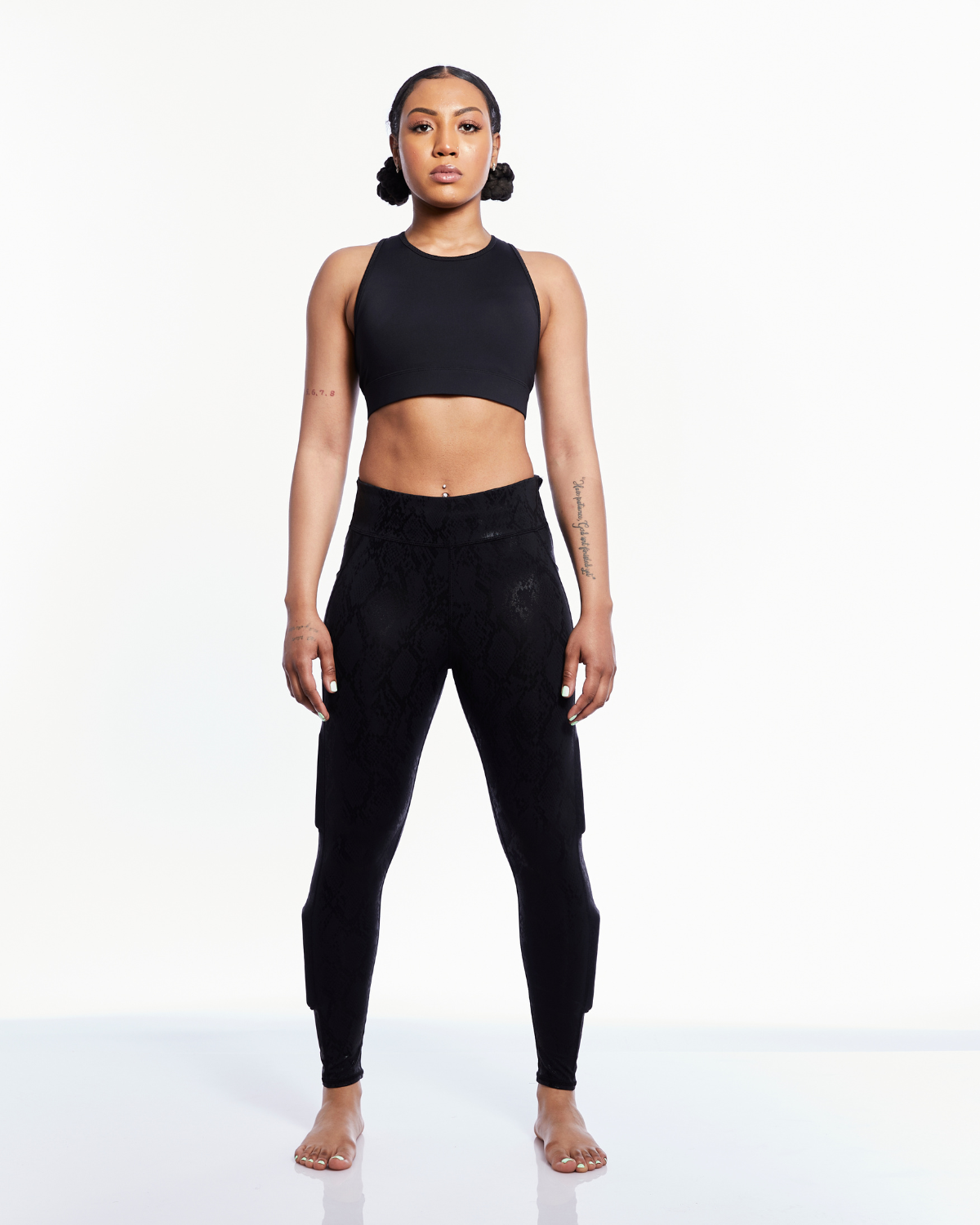
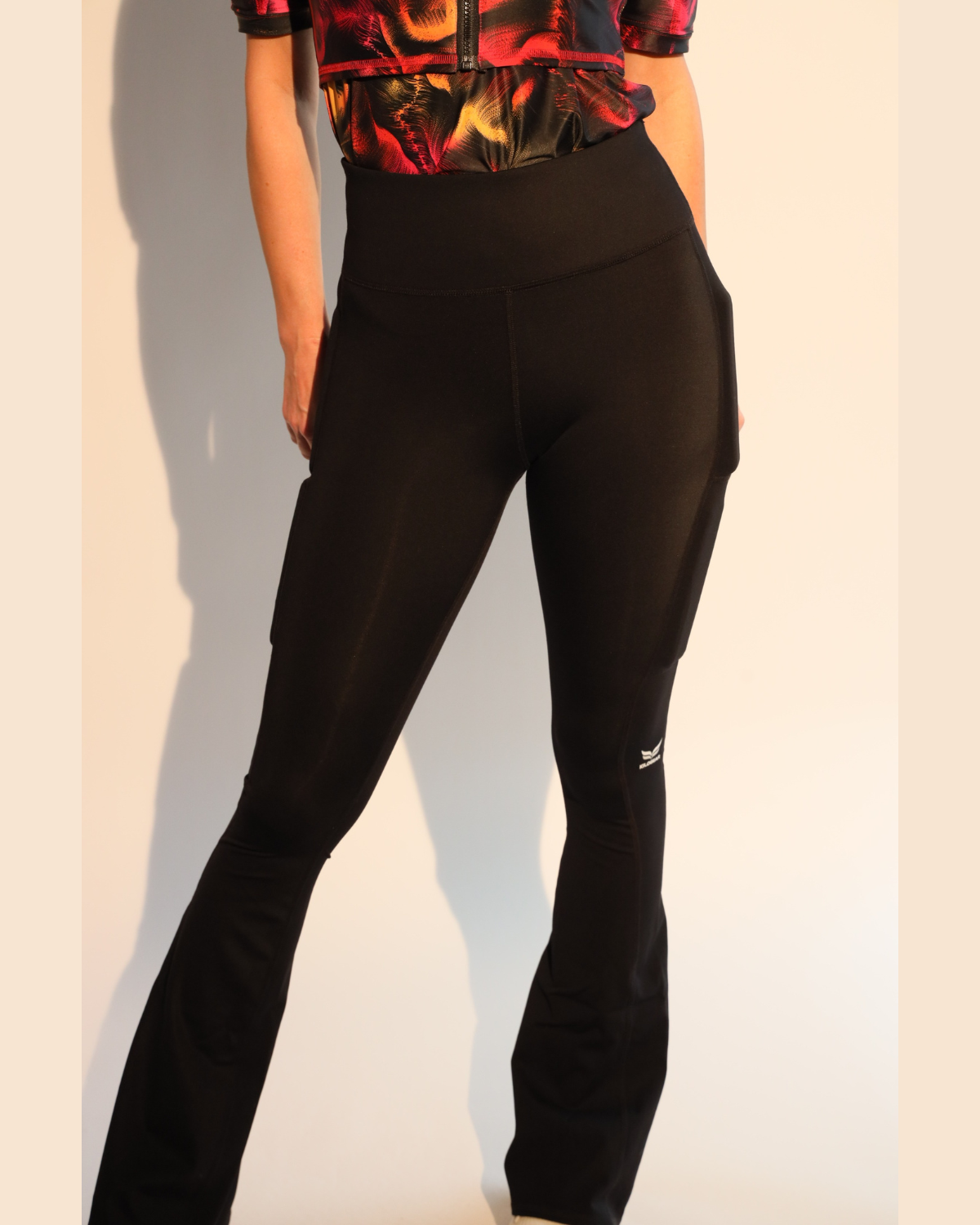
KILOGEAR's distributed micro-weighted apparel is engineered differently. Small weights, 0.25 to 0.5 pounds each, sit in fixed pockets across the calves, glutes, quads, and core depending on the garment. Same total resistance, very different biomechanical signature.
What our internal testing actually showed

What the testing actually showed.
We've tested KILOGEAR's distributed weighted apparel system in certified labs across multiple participants and protocols. The findings, across the board, point in the same direction: more calories burned, higher heart rates, longer time in working zones.
A few of the consistent patterns:
- A 46-year-old female participant doing a treadmill workout wearing KILOGEAR weighted apparel was burning over 70 percent more calories per minute during the working phase of her workout than doing the same workout without the gear. That's after the warm-up, when the load really starts to do its job.
- A 49-year-old female marathoner already at "Superior" cardiovascular fitness saw her peak calorie burn rate climb roughly 15 percent wearing KILOGEAR. After her workout ended, she burned nearly 30 percent more calories during the recovery phase, what's known as the afterburn effect.
- Another female participant in her early 20s wearing 4 pounds of distributed load burned roughly 15 percent more calories during the walking portion of her workout and over 10 percent more across the full session.
- Multiple participants reached heart rate zones wearing KILOGEAR that they could not reach without it, doing the exact same workout. Multiple participants stayed in their working heart rate zone two to four times longer with KILOGEAR than without.
These are individual lab results, not promises. But the pattern is clear: distributed weighted apparel does what the marketing on most weighted leggings only claims.
The fat-burning zone, faster and longer
Here's where weighted leggings earn the search query.
The "fat-burning zone" is generally defined as exercising at roughly 60 to 70 percent of your maximum heart rate, the range where your body uses a higher percentage of fat as fuel. For most adults, that's roughly 100 to 140 beats per minute, depending on age.
The catch with the fat-burning zone is that getting there takes effort. Walking on flat ground at a casual pace might not even put you in zone 2. You'd have to walk faster, walk longer, or add an incline to push your heart rate up.
Or you can add load. Weighted apparel during the same walk pushes your heart rate higher per minute of activity, which means you reach the fat-burning zone sooner and stay there longer. In our testing, this showed up consistently. Participants got into their working heart rate zones earlier and held them longer wearing KILOGEAR.
That's the practical translation: same walk, more time in the zone where your body is preferentially using fat as fuel.
What weighted leggings won't do
The honest section.
- Weighted leggings won't burn fat without movement. Wearing them while sitting at a desk burns essentially the same calories as wearing regular leggings while sitting at a desk. The benefit comes from movement plus load.
- Weighted leggings won't override a bad diet. The calorie burn boost is real but modest in absolute terms. A 60-minute walk burning 300 calories instead of 250 is meaningful over weeks, but it doesn't cancel out a 600-calorie indulgence.
- Weighted leggings won't replace strength training. Distributed load during cardio is a multiplier on movement. It is not progressive resistance training. If your goal is significant muscle and strength gains, you still need to lift.
- Weighted leggings won't give you visible results overnight. Calorie burn happens immediately. Body composition changes are downstream of total energy balance over weeks and months.
That's the floor. Now the ceiling.
What makes KILOGEAR different
"The biggest issue I see with most weighted apparel is concentrated load that changes how patients move. KILOGEAR's distributed system is the design I'd recommend for daily use because it adds resistance without forcing biomechanical compensation. The calorie data we've seen across testing reflects what should happen when load is properly distributed." -Dr. Brown, DPT"
Four design principles separate KILOGEAR from generic weighted leggings:
1. Distributed load. Small weights spread across calves, glutes, quads, and core. Not concentrated at the ankles or stacked on the spine. Same resistance, no single point of joint stress.
2. Modular and transferable. Weights are removable and patented to move between garments. The same set works in your leggings, calf sleeves, shorts, and tank.
3. Washable and dryable. Pull the weights out, wash and dry the apparel like any other activewear. Most weighted leggings on the market can't say that.
4. They don't fall down. Compression apparel with weights in fixed pockets stays in place. Ankle weights slide. Loose weighted leggings shift. KILOGEAR doesn't.
The system is doctor-designed and athlete-validated, used by NBA and NFL athletes for performance training and by Equinox members for ruck-style training with the Precision Vest.
Which weighted legging is right for you

Different ways to wear KILOGEAR weighted leggings: walks, workouts, and daily wear
Different activities call for different setups.
- Daily walks and light cardio: AURA Core Support Legging loaded light. The workhorse. Wear under regular clothes for errands, dog walks, or commute.
- Lower-body focused workouts: AURA Booty Elevate Two-Tone Weighted Legging. Heavier glute and posterior-chain engagement.
- Cardio with maximum calorie burn: AURA Core Support Legging plus KILOGEAR Calf Sleeves. Distributing load across calves AND legs gives you more total resistance without concentrating it anywhere.
- Full-body distributed system: Pair the leggings with the AURA Core Tank or AURA Pro Tank. The same modular weights move between pieces.
- Post-injury return to activity: Skip the load entirely until cleared by a physical therapist. The compression alone is fine and supports the return.
How to start safely
Three rules. They sound simple. Most people break them.
- Start light. Load a few pockets, not all of them, for the first week. Your body needs to adapt to the resistance before you add more.
- Start short. A 20 to 30 minute walk loaded light is the right starting dose. Not a 90-minute hike on day one.
- Listen to your body. Soreness in the muscles you wanted to work is fine. Sharp pain in a joint is not. Stop, unload, reassess.
If you have a pre-existing knee, hip, back, or circulation condition, talk to your physical therapist before adding any load to your activity. Same goes for pregnancy.
The bottom line
Weighted leggings work, when they're designed right. Distributed load on the legs increases calorie burn during activity, helps you reach the fat-burning heart rate zone faster, keeps you there longer, and continues burning calories after the workout ends. Our internal testing has shown calorie burn increases ranging from 10 percent to over 70 percent during workouts, depending on the participant, the load, and the activity.
What weighted leggings won't do is burn fat passively, replace strength training, or override a poor diet. Anyone selling them as a magic bullet is overselling.
The real question isn't whether weighted leggings work. It's whether the ones you're considering are designed in a way that delivers the benefit without the biomechanical cost. KILOGEAR's distributed micro-weighted system is engineered for that exact answer.
Start with the AURA Core Support Legging or the AURA Booty Elevate Two-Tone Weighted Legging. Add the Calf Sleeves and an AURA Core Tank to build a full distributed system.
FAQ
Do weighted leggings actually burn fat?
Weighted leggings burn more calories during activity than regular leggings, which over time contributes to fat loss as part of an overall energy deficit. The mechanism is added resistance: your muscles work harder to move you, your heart rate climbs higher, and you burn more calories per minute of movement. Research on load carriage during exercise shows roughly 10 to 20 percent more calorie burn with added load. Our internal testing has shown calorie burn increases as high as over 70 percent during the working phase of a workout. The leggings don't burn fat passively. The benefit comes from wearing them during movement.
How many extra calories do weighted leggings burn?
The range varies based on body weight, load, intensity, and duration. For typical walking, expect roughly 10 to 20 percent more calories than the same walk without added load. For higher-intensity workouts, the gap can be larger. In our testing, participants burned anywhere from 10 percent to over 70 percent more calories during workouts wearing KILOGEAR. For a 150-pound person burning roughly 300 calories on an hour-long walk, that's an extra 30 to 60 calories at the lower end. Modest per session, meaningful over weeks of consistent use.
Will weighted leggings help me get into the fat-burning zone faster?
Yes. The fat-burning heart rate zone is generally 60 to 70 percent of maximum heart rate, the range where your body uses a higher percentage of fat as fuel. Adding load to your activity raises your heart rate per minute of movement, which means you reach the fat-burning zone sooner and stay there longer for the same effort. In our testing, this pattern showed up consistently. Participants reached working heart rate zones earlier and held them longer wearing KILOGEAR weighted apparel than without.
Are weighted leggings safe for your knees?
Distributed weighted leggings, where the load is spread across multiple muscle groups in small amounts, are meaningfully safer for your knees than ankle weights or other concentrated loads. The biomechanical issue with ankle weights is the moment arm they create at the knee with every step. Distributed micro-load doesn't create that same concentrated torque. If you have an existing knee condition, talk to your physical therapist before adding any load. Skip ankle weights entirely. Start light with distributed apparel and progress slowly.
How heavy should weighted leggings be?
Start with a fraction of what you'll eventually wear. For most adults, 1 to 3 pounds distributed across the legs is a reasonable starting load. KILOGEAR's modular system lets you add weights individually as you adapt, rather than committing to a fixed load that came preset in the garment. Over time, working up to 4 to 8 pounds total distributed across legs and core is reasonable for daily wear. The load should challenge you without changing how you walk or move.
Can I wear weighted leggings all day?
Yes, with caveats. The compression apparel is designed for extended wear, and the calorie-burn benefits compound over hours of movement. That said, all-day wear isn't a shortcut. Your body adapts to constant stimulus, so the relative calorie burn advantage diminishes if the load is on around the clock. Use weighted leggings strategically: during walks, workouts, and longer days on your feet. Take them off for sleep and recovery.
How long until I see results from weighted leggings?
Calorie burn results show up immediately. You're burning more starting on workout one. Visible body composition changes depend on overall energy balance, not just the workouts. Strength and endurance changes typically show up in 4 to 6 weeks of consistent use, several days a week. Bone density changes, especially relevant for women over 40, take longer, generally 6 to 12 months of consistent loaded movement. Be patient and be consistent.
Are KILOGEAR weighted leggings different from other weighted leggings?
Yes, in three meaningful ways. First, the load is distributed across multiple muscle groups in small amounts (0.25 to 0.5 pounds per pocket) rather than concentrated at one point. Second, the weights are removable and modular, so the same weights move between leggings, calf sleeves, shorts, and tanks. Third, the apparel is washable and dryable because the weights come out. Most weighted leggings on the market fail at least one of those three. KILOGEAR is doctor-designed, athlete-validated, and the modular system is patented.