


Compression apparel does real work. Here's what the research actually says.
Compression clothing is having a long, quiet moment. Athletes wear it for recovery. Doctors prescribe it for circulation. Older adults wear it for joint support. Pregnant women wear it for swelling. Office workers wear it under work clothes for energy and posture.
Most of those use cases are backed by real research. A few are oversold. And almost no article on the internet bothers to draw the line between what compression clothing does, what it doesn't, and where it earns the most return.
That's the version below. Eight benefits with the science. One section on what compression clothing won't do for you. And the honest case for why adding distributed micro-load to compression apparel is the upgrade most people haven't heard of yet.
What compression clothing actually does

Graduated compression garments apply controlled external pressure to the body. That pressure does a few measurable things. It improves venous return (blood flow back to the heart). It reduces muscle oscillation during movement (the soft-tissue vibration that contributes to fatigue and DOMS). It supports joints and posture passively. And it provides proprioceptive input that improves body awareness.
A 2014 meta-analysis in the British Journal of Sports Medicine reviewed 12 studies on compression garments and recovery. Pooled data showed moderate effects for reduced muscle soreness, faster strength recovery, and reduced creatine kinase (a marker of muscle damage). A more recent 2023 systematic meta-analysis of 42 studies found compression sportswear significantly improved speed, endurance, and functional motor performance in healthy adults.
Worth noting: the research isn't unanimous. A 2022 meta-analysis found compression garments did not significantly accelerate muscle strength recovery on its own. The honest read is that compression helps, but the size of the effect depends on garment fit, pressure, and use case. It's not a miracle. It's a meaningful, research-backed tool.
8 reasons compression clothing earns its place
1. Better circulation and reduced muscle fatigue
The main mechanism. Graduated compression supports venous return, which means blood gets back to the heart more efficiently. For athletes, that translates to less peripheral pooling during long efforts. For desk workers, it means less leg heaviness after a long day. For older adults, it reduces swelling risk.
2. Faster recovery after exercise
This is where compression has the strongest evidence. Multiple meta-analyses show measurable reductions in delayed onset muscle soreness (DOMS) and faster recovery of strength and power, particularly in the 24 to 72 hour window post-exercise. Wearing compression during AND after a hard session compounds the effect.
3. Better posture and core engagement
Compression apparel cues the body to hold itself upright. The garment provides gentle, constant feedback to the core, back, and shoulders. KILOGEAR's AURA Pro Weighted Posture Bra and PlyoSculpt take this further by adding small amounts of distributed load to the upper back, which engages postural muscles without forcing them.
4. Reduced muscle soreness (DOMS)
Worth its own line because it's the most consistently documented effect in the research. Reduced muscle oscillation during movement plus improved circulation in the recovery window equals less soreness 24 to 48 hours later. Useful for back-to-back training days.
5. Support for the aging body
Circulation slows with age. Joints lose stability. Falls become a real concern. Compression apparel addresses all three: better blood flow, gentle joint support, and improved proprioception that helps balance and coordination. For adults over 50, compression isn't a workout product. It's a daily wear product.
6. Improved proprioception and body awareness
Proprioception is your body's sense of where it is in space. Compression apparel provides constant, low-grade sensory input through the skin, which can sharpen body awareness during movement. This matters for athletes (better form under fatigue), older adults (reduced fall risk), and anyone returning from injury (faster motor relearning).
7. Temperature regulation and comfort
Modern compression fabrics manage moisture and temperature well, which is why athletes wear them in heat AND cold. Worth picking garments rated for the conditions you actually train in.
8. Versatility for daily wear
The biggest shift in compression apparel over the last decade is that it stopped looking like medical equipment. Today's compression tops, leggings, and shorts are built to be worn under work clothes, on errands, and during workouts without anyone noticing. The benefits compound when you wear it more.

What compression clothing won't do
The honest section.
- Compression apparel does not burn calories on its own. Any article that tells you otherwise is selling something. The garment doesn't add resistance. Your muscles aren't working harder just because they're being squeezed.
- Compression apparel does not replace strength training. It supports the work. It doesn't do the work.
- Compression apparel does not fix bad form, pain, or injury. It can support a return to activity after injury, but it's not a substitute for physical therapy, proper movement mechanics, or appropriate medical care.
- Compression apparel is not a meaningful intervention for neurological conditions. Some people find compression calming for sensory regulation, and that's a legitimate personal benefit. But the broader claims you'll see online about compression clothing as a treatment for neurological disorders aren't supported by clinical research, and we don't make them.
That's the floor. Now here's the ceiling.
The KILOGEAR pivot: compression plus distributed micro-load
This is where compression apparel earns more than its baseline value.
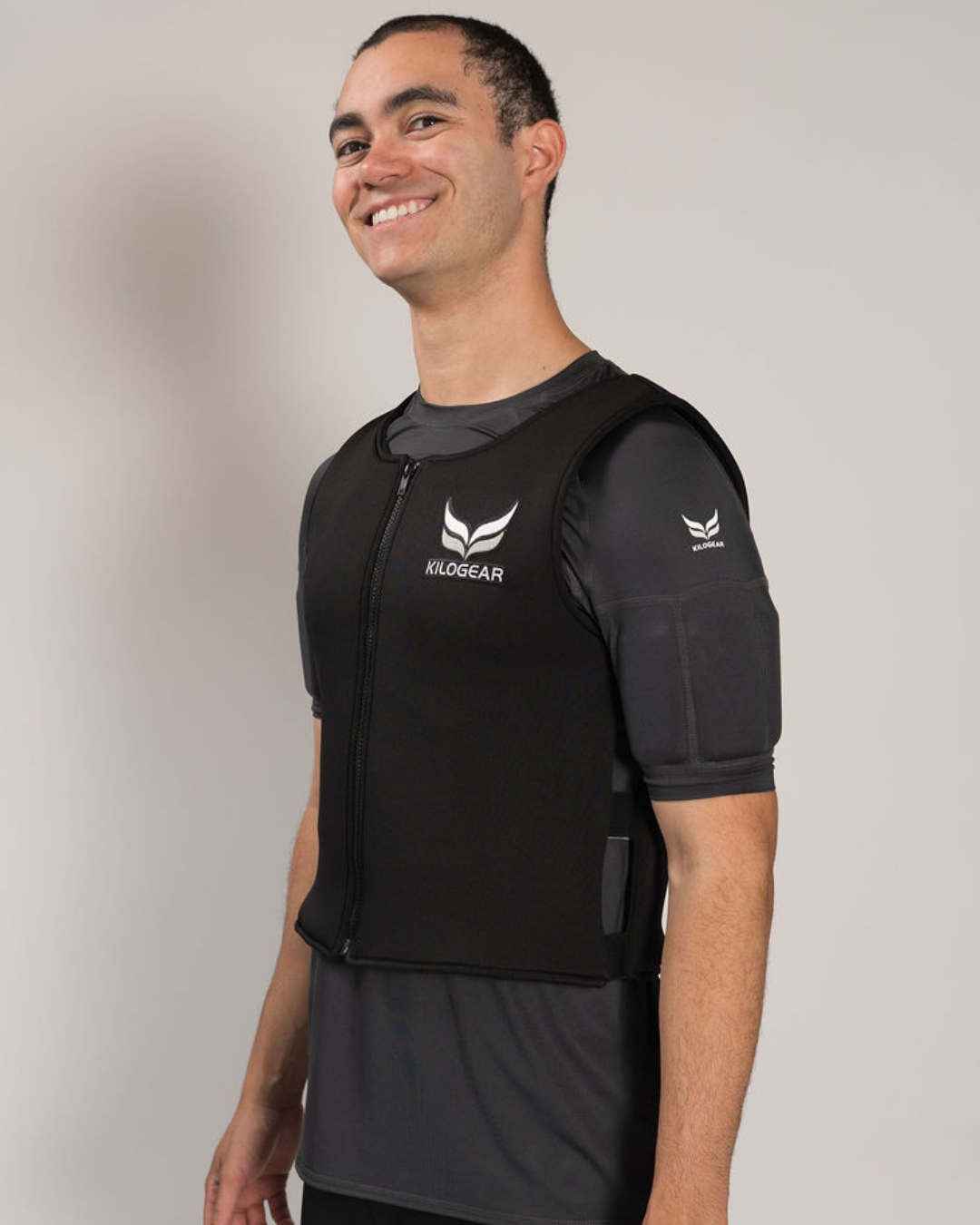
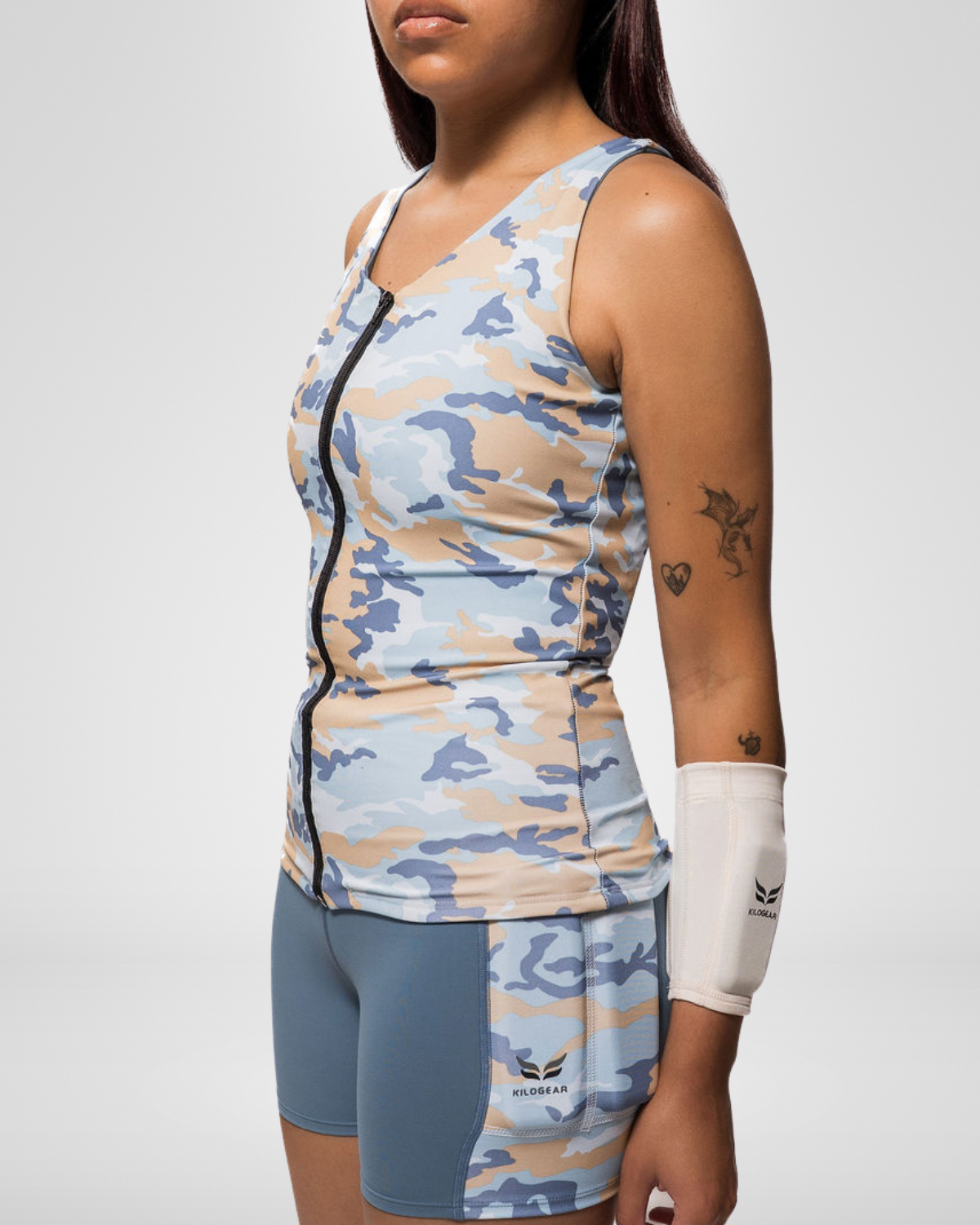
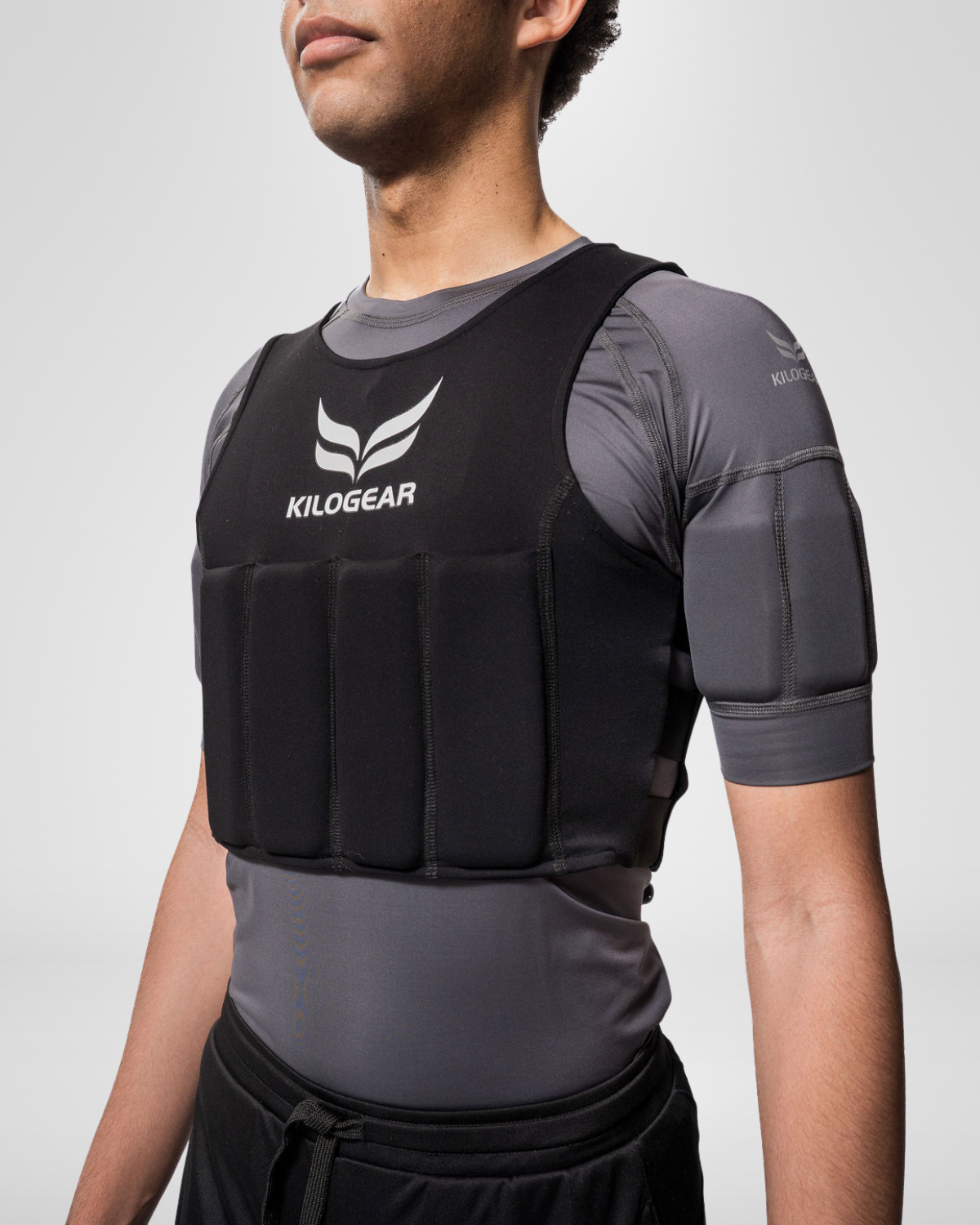
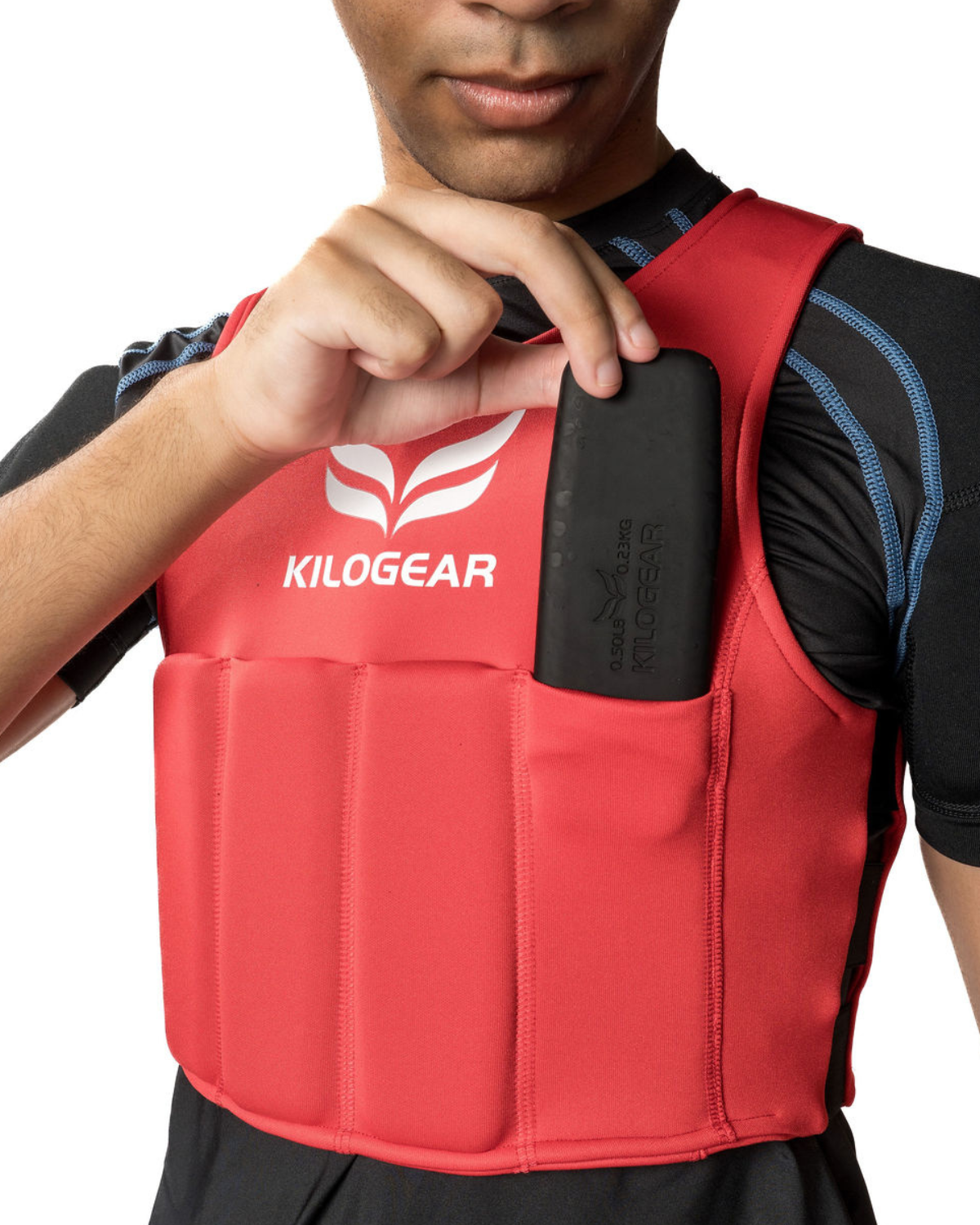
Standard compression supports the body. KILOGEAR's compression apparel does that AND adds distributed micro-weights, 0.25 to 0.5 pounds each, placed in fixed pockets across the calves, glutes, core, and arms depending on the garment.
"Compression apparel has real, documented benefits for circulation and recovery. Adding small distributed loads on top of that, in the right places, gives you measurable resistance during everyday movement without changing gait or stressing any single joint. It's the design I'd want for patients returning to activity who need to load gradually." - Dr. Aaron Willis, DPT
Four things make the system different from generic compression or traditional weighted gear:
- Distributed load. Small weights spread across multiple muscle groups. Not concentrated at one ankle or stacked on the spine. Same total resistance, very different biomechanical signature.
- Modular and transferable. Weights are removable and patented to move between garments. The same set works in your calf sleeves, leggings, shorts, and tank.
- Washable and dryable. The weights come out. The apparel goes in the washer and dryer like any other activewear. Traditional weighted vests can't say that.
- They don't fall down. Compression with weights in fixed pockets stays in place during movement. Ankle weights slide. Vests ride up. KILOGEAR doesn't.
The system is doctor-designed and athlete-validated, used by NBA and NFL athletes for performance training and by Equinox members for ruck-style training with the Precision Vest.

What to wear when
- Daily wear / errands / commute: AURA Core Tank or AURA Core Support Legging under regular clothes. Loaded light. The benefits compound across hours.
- Walking / cardio: KILOGEAR Calf Sleeves plus AURA Core Tank. The combo we recommend most often.
- Strength training / HIIT: AURA Pro Tank, AURA Booty Elevate Two-Tone Weighted Legging, or Studio Leg Bands for accessory work.
- Posture support / desk work: AURA Pro Weighted Posture Bra or PlyoSculpt.
- Recovery / between sessions: Standard compression without the weights. Pull the weights out and wear the apparel as a recovery layer.
- Post-injury return to activity: Skip added load until cleared by a physical therapist. Compression alone is fine and can support the return.
How to start safely
Three rules. They're simple. Most people break all three.
- Start light. Compression alone for the first week if you're new to it. Add one or two pockets of weight after that.
- Start short. 30 to 60 minutes of wear is plenty at first. Don't try to wear it all day on day one.
- Listen to your body. Compression should feel like a snug second skin. Numbness, tingling, or restricted breathing means the fit is wrong.
If you have a circulation condition, vein issue, or recent surgery, talk to your doctor before adding compression apparel. Same goes for adding any load to existing back, knee, hip, or neck conditions.

The bottom line
Compression clothing has measurable, research-backed benefits. Faster recovery. Better circulation. Reduced soreness. Better posture. Real support for the aging body. It's earned its place in athletic wardrobes and in everyday life.
What it won't do is burn calories on its own, replace strength training, or fix what's broken. Anything claiming otherwise is overselling.
KILOGEAR's distributed micro-weighted compression keeps everything compression apparel does well and adds the one thing it can't do alone: actual resistance. Modular, washable, transferable, doctor-designed, athlete-validated. It's compression that works harder, the right way.
Start with the AURA Core Tank and Calf Sleeves for daily wear. Add the PlyoSculpt or Precision Vest when you're ready for more.
FAQ
Does compression clothing actually work?
Yes, for specific things. Multiple meta-analyses show compression garments meaningfully reduce delayed onset muscle soreness, accelerate strength recovery in the 24 to 72 hour window after hard exercise, and reduce muscle damage markers like creatine kinase. The effect sizes are moderate and depend on garment fit and pressure. Compression is also well-documented to improve venous return, which helps with circulation, swelling, and leg fatigue. The research is less consistent on whether compression alone improves performance during exercise, but the recovery benefits are well-supported.
How tight should compression clothing be?
Snug enough to feel like a second skin, loose enough that you can move freely and breathe normally. Medical-grade compression is measured in mmHg (millimeters of mercury), with athletic compression typically in the 15 to 25 mmHg range. If your hands or feet feel numb or tingly, the fit is too tight and you should size up. If the garment moves or bunches during activity, it's too loose. Proper sizing matters more than going tighter for results.
Can you wear compression clothing all day?
For most healthy adults, yes. Compression apparel is designed for extended wear and the circulation benefits accumulate the longer you have it on. The exceptions: take it off for sleep (your circulation patterns change at rest and prolonged compression overnight isn't recommended unless prescribed by a doctor), and don't wear it during prolonged sedentary travel without checking with your physician first if you have any circulation conditions. Otherwise, all-day wear is one of the best ways to capture the benefits.
Does compression clothing help with cellulite or fat loss?
No, despite what marketing on certain products will tell you. Compression apparel doesn't burn fat, break down cellulite, or trigger weight loss on its own. What it can do is improve circulation in the short term (which can temporarily smooth skin appearance) and support a more comfortable workout (which can indirectly help with consistency). For actual body composition change, the lever is total energy balance plus strength training. Adding distributed micro-load to compression apparel is the closest the category gets to a real calorie-burn effect, and even that adds modest amounts.
Is compression clothing safe for older adults?
For most older adults, yes, and it's one of the best clothing categories for the aging body. Compression supports circulation (which slows with age), provides gentle joint stability, and improves proprioception (which helps with balance and fall prevention). The exceptions are people with peripheral artery disease, severe diabetes with circulation complications, or certain skin conditions. Anyone with these conditions should talk to a doctor first. For everyone else, daily compression wear is a low-risk, high-value addition.
How long should you wear compression clothing for recovery?
The research suggests the biggest recovery benefits come from wearing compression DURING exercise plus for several hours after, with some studies showing benefit at the 24, 48, and 72-hour marks. A practical protocol: wear compression during your workout, leave it on for 2 to 4 hours after, and consider re-wearing it the next day if you're sore. Overnight compression wear isn't generally recommended unless your doctor prescribes it.
What's the difference between compression clothing and weighted compression apparel?
Standard compression applies pressure but adds no resistance. Your muscles get circulation and support but don't work harder. Weighted compression apparel like KILOGEAR adds small distributed weights to the compression garment, which means you get every benefit of compression PLUS measurable resistance during everyday movement. The key word is distributed. Weighted compression should spread load across multiple muscle groups in small amounts, not concentrate it at one point. Done right, you get the recovery and circulation benefits of compression and the calorie burn and muscle engagement benefits of added load, in one garment.
Can compression clothing replace going to the gym?
No, and we'd push back on anyone who says it can. Compression supports the work you do. It doesn't do the work. The same is true even with added load. Distributed micro-weighted apparel is a meaningful multiplier on movement you're already doing (walking, training, daily activity) but it's not a substitute for progressive resistance training if your goal is significant strength gains. Use it to make existing movement count for more, not to skip the gym entirely.