

Can daily walking get you ready for a marathon?
Walking alone won't train you to run 26.2 miles, but it can build a base that makes getting back into running a lot easier. That's what happened to me. I ran the 2025 Chicago Marathon with my daughter, Brooke, after only 17 real training runs. What carried me was the walking I'd already been doing every day, with light weight in my gear.
This is my experience, not a training plan. But if you're a walker wondering whether you could ever run a race, here's what it looked like for me.
The phone call
Brooke called me in August and asked me to run the Chicago Marathon with her.
I hadn't run in a while. So I told her I'd go for a run and see how I felt. I picked a route I used to do, about 7 miles down to Terranea. If I felt good at the end, I'd say yes.
I felt great. I was so excited. I'm someone who likes a goal, a mission, and now I had one: about eight weeks to get ready for a marathon.
Eight weeks and 17 runs
Here's the honest part. I didn't have time to train the way you're supposed to. Between running a company and everything else, I got in 17 real training runs before race day.
What I did have was my daily walk. I walk every day, about 3 miles, 1.5 out and 1.5 back, usually in the middle of the day. And I always walk in weighted gear.
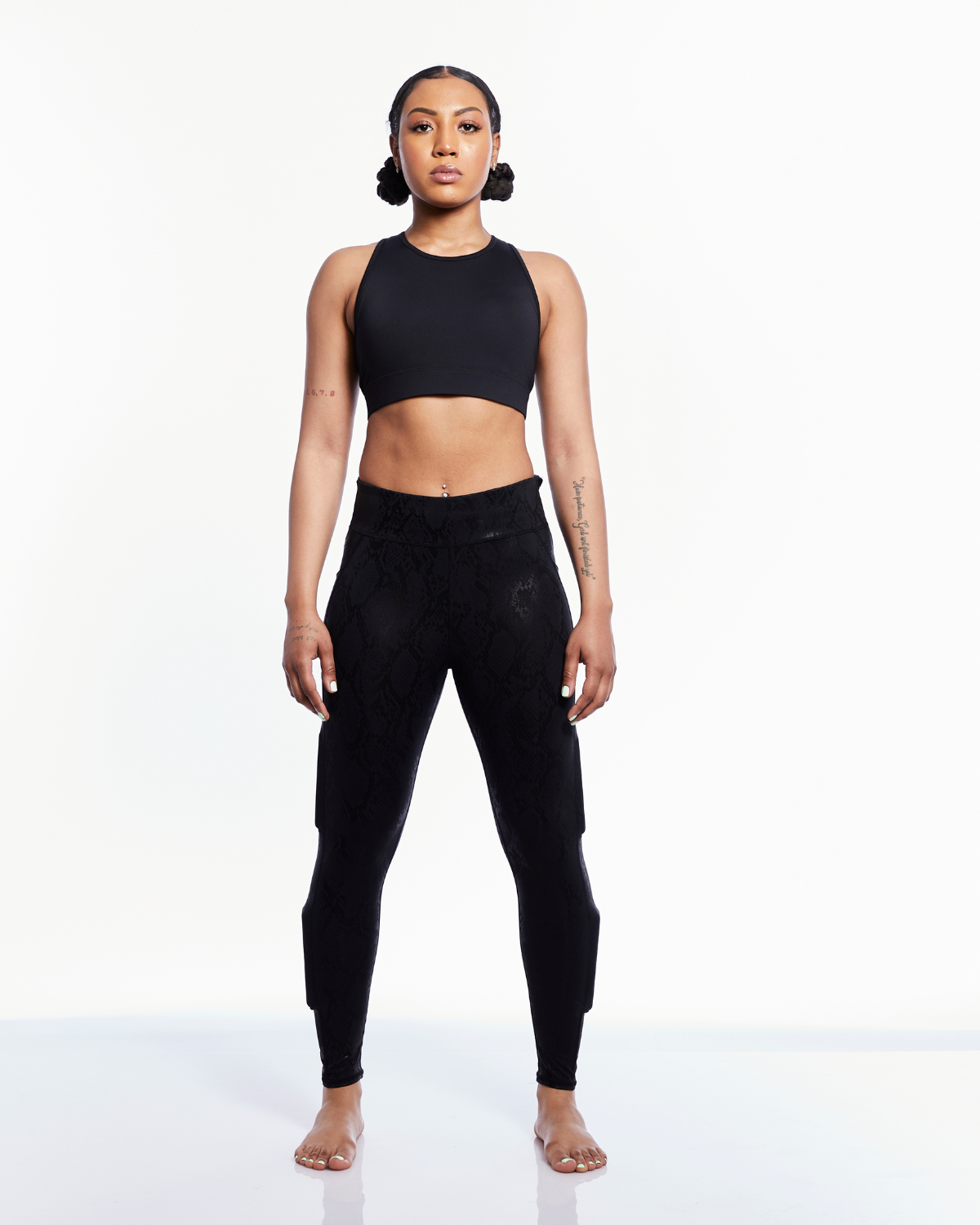
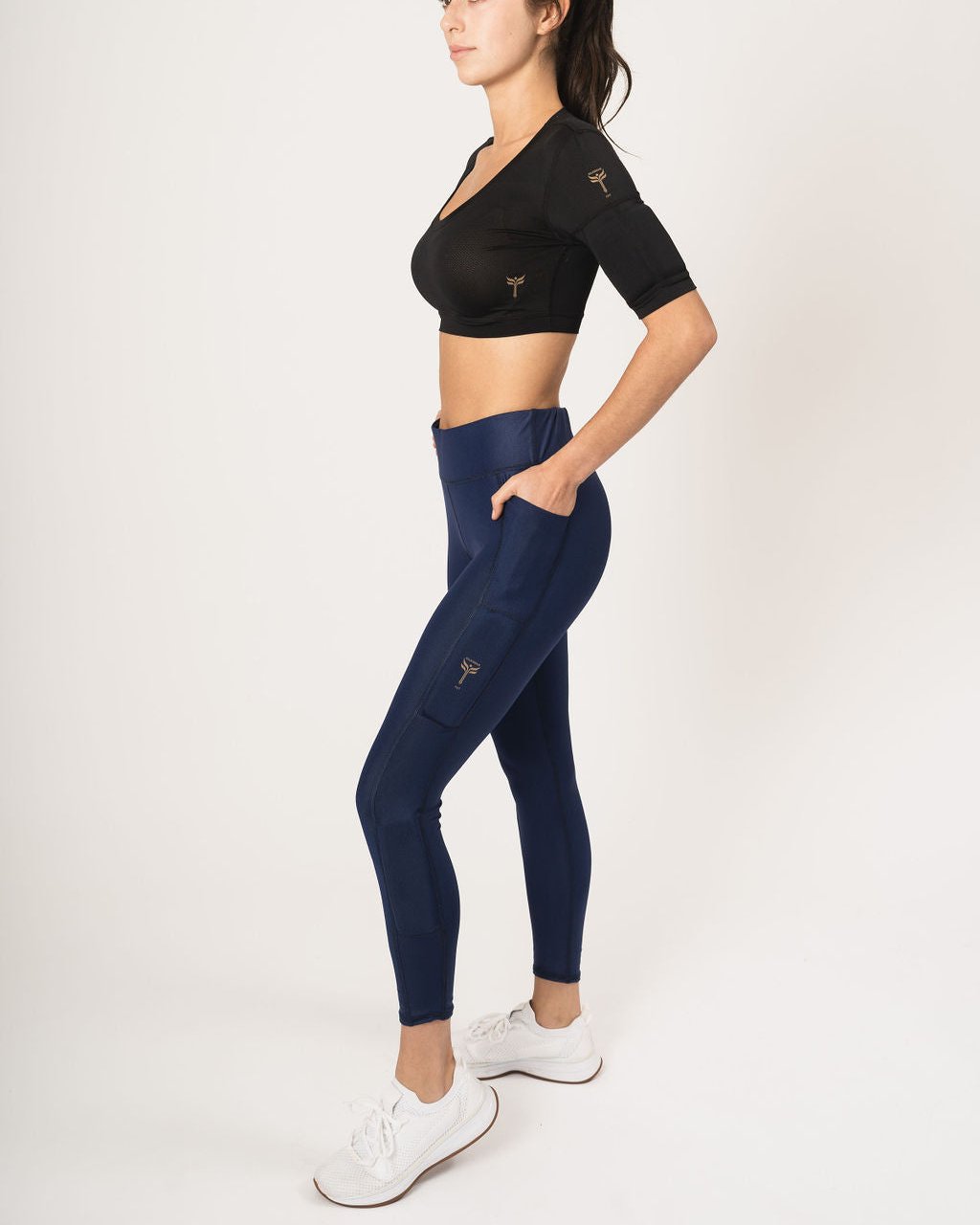
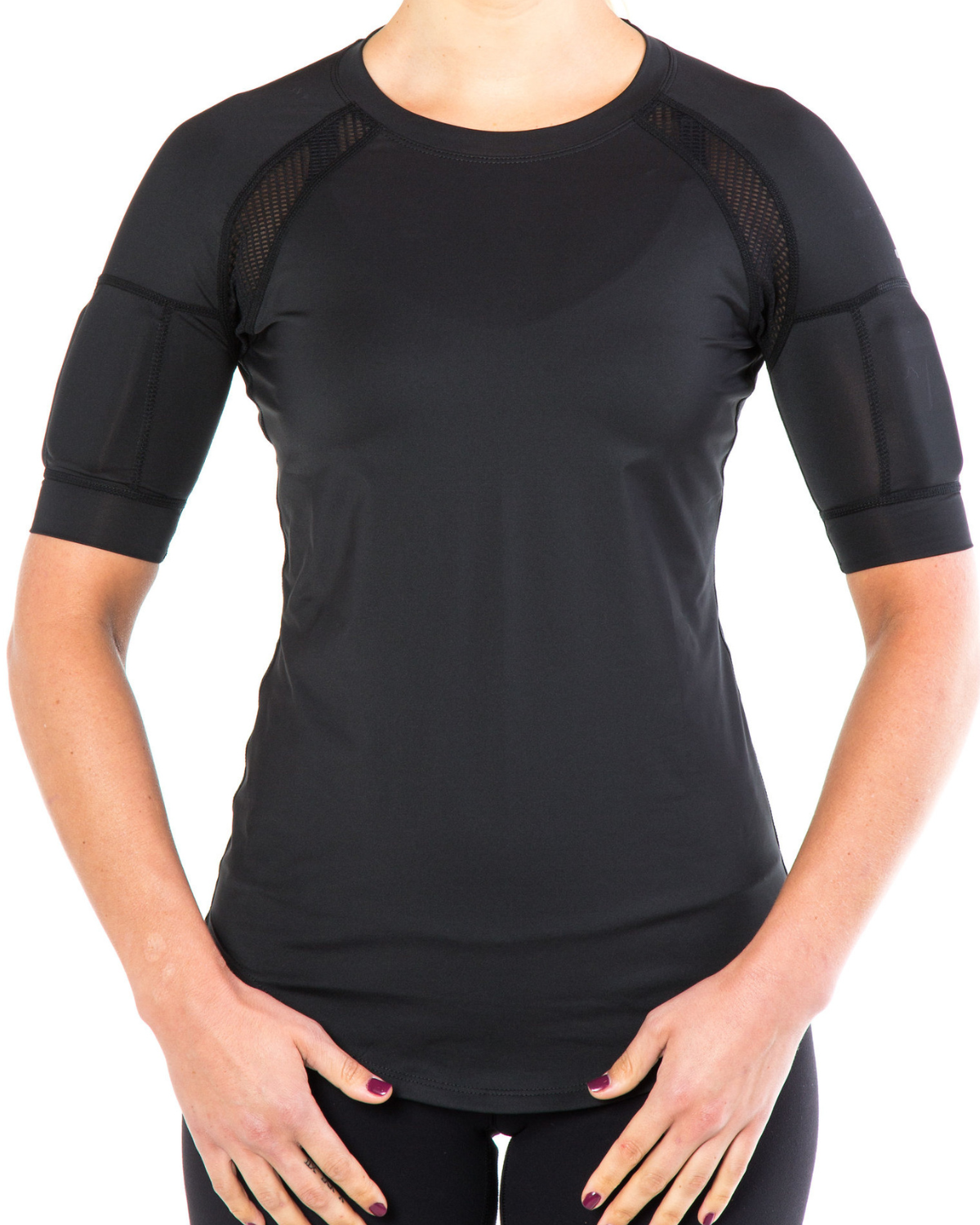
On my walks I wear a weighted legging with about 1 pound per leg, then layer in a shrug, a short sleeve tee or arm bands. Lately I've been adding the PlyoSculpt vest, because I'm at my computer a lot and it helps me sit up taller. Walking with light weight also means you burn more calories than the same walk without it.
None of that felt like marathon training. But it meant my legs, hips and arms were already used to working a little harder every single day.

What my first runs felt like
Getting back into running was so much easier than I expected. I didn't feel like I was starting from zero.
I didn't run fast. I went for distance. And I trained in the same gear I walk in:
- Leggings with 1 pound per leg. I switched between the KILOGEAR AURA PRO LEGGING and the AURA HIGH-RISE BOOTY LIFT LEGGING.
- The KILOGEAR PlyoSlide Vest, half loaded, on every run. It puts the weight on the torso, off the spine. I used the empty pockets to carry my sunglasses and energy snacks.
- Toward the end, arm bands with half a pound per arm. They sit on the forearm, so my arm swing felt natural.

Brooke trained in KILOGEAR too, which made it even more fun.

Race day
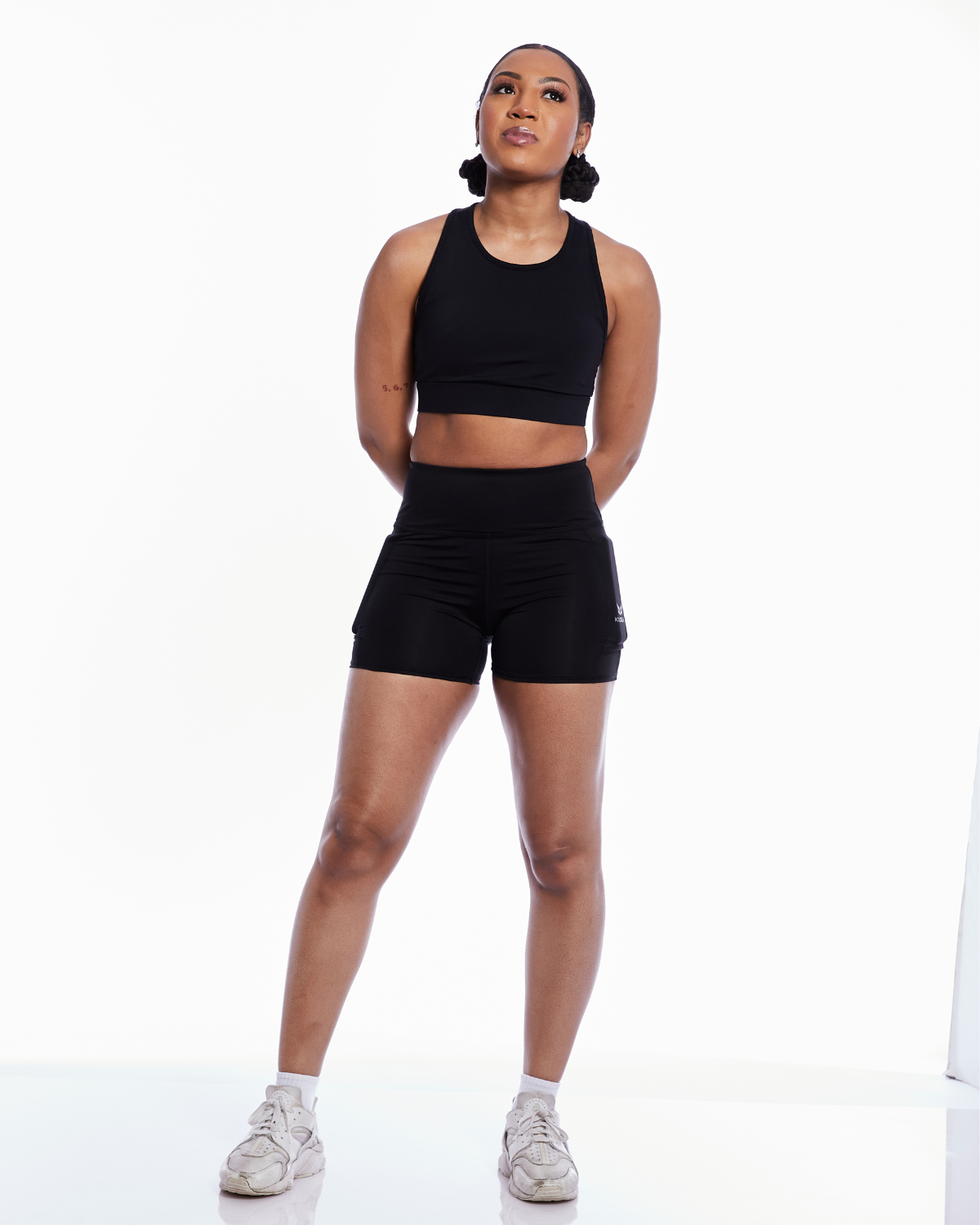
On race day I wore my shorts and the vest, with no weights at all. The race is not the place to carry extra load.
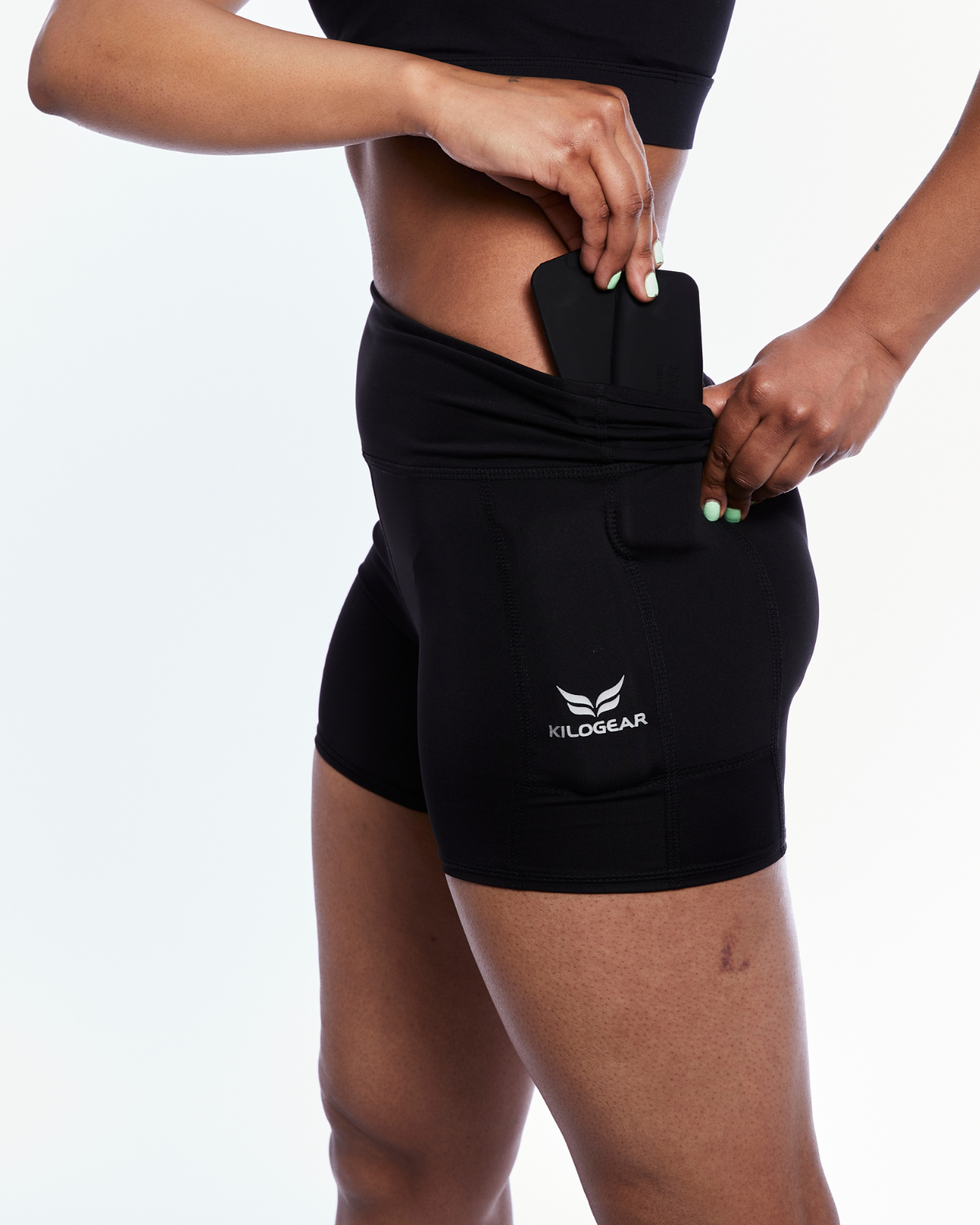
But I still used the vest. The pockets held everything I needed for 26.2 miles: energy snacks, earbuds and sunglasses. No belt, no bouncing.

Running it with Brooke
Running it with Brooke is one of my favorite moments of my entire life.

Eight weeks earlier, I wasn't sure I could do it. Then we were running through Chicago together. I'll never forget it.

What I'd tell any walker
- Your daily walk counts. It builds a base, even when it doesn't feel like training.
- Start light. About 1 pound per leg was plenty for me.
- Go for distance, not speed, when you're getting back into running.
- Race unloaded. Train with the weight, then take it off for the big day.
If you have a joint, back or heart condition, talk to your doctor before you add weight or start running.
The gear I'd recommend
For women: the AURA PRO LEGGING, the AURA PRO SHORT, the AURA PRO TEE, PRO ARM BANDS and the PlyoSlide Vest.
For men: the APEX PRO TEE and the APEX PRO SHORT.
If you like to run in shorts: add PRO CALF SLEEVES. I prefer leggings, even in summer, but calf sleeves are a great alternative and can carry more weight below the knee.
See all of our walking gear on the Walking and Wellness page.
Frequently asked questions
Can walking prepare you for a marathon?
Walking alone won't fully prepare you to run 26.2 miles, but it builds a base. In my experience, walking every day in light weighted gear made getting back into running much easier. I still needed real training runs. I got in 17 before Chicago. Everyone is different, so build up gradually.
Can you run in a weighted vest?
I did, with the vest half loaded and at an easy pace. I focused on distance, not speed. The PlyoSlide puts the weight on the torso, off the spine. Start light, keep runs easy and take the weight off if your form changes.
How much weight should you run with?
Less than you think. I ran with about 1 pound per leg, a half-loaded vest and, later, half a pound per arm. Because the weights are removable, you can start lighter and add more over time.
Should you wear weights during a marathon?
I didn't. I raced in my shorts and vest with no weights at all. I only used the vest pockets to carry snacks, earbuds and sunglasses. Train with the weight, race without it.
Are weighted leggings or calf sleeves better for running?
It's personal. I prefer leggings, even in the summer. If you'd rather run in shorts, calf sleeves are a great alternative, and they can carry more weight below the knee.